
Malacothamnus
Malacothamnus
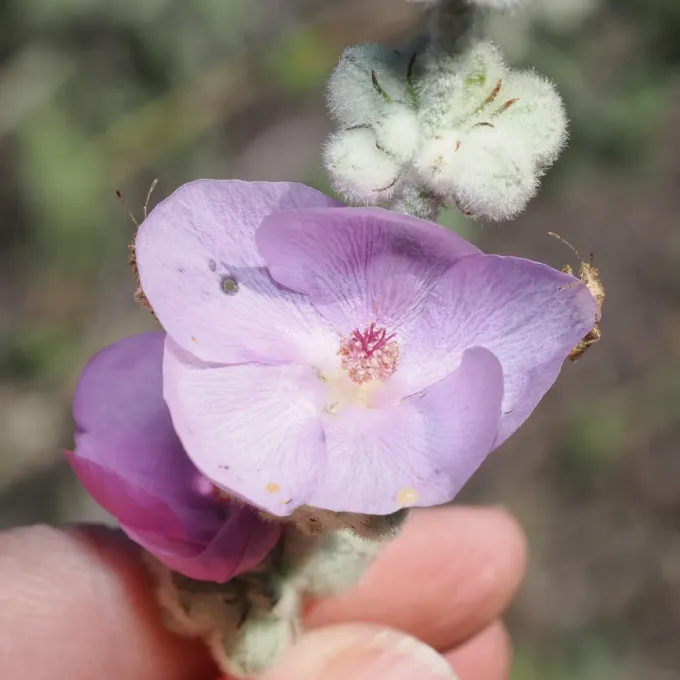
Description
Growing requirements
Malacothamnus is a genus of perennial shrubs belonging to the Malvaceae family. These plants are primarily native to the western regions of North America, particularly California, where they thrive in diverse ecological niches.
The plant is highly adapted to arid environments and prefers well-draining, rocky, or sandy soils. Its growth habit is characterized by stems covered with stellate hairs, which protect the plant from excessive evaporation during intense summer heat.
Optimal cultivation requires full sun exposure and minimal supplemental irrigation once the plants have established a robust root system. Excess soil moisture is detrimental, as the species is highly susceptible to root decay in poorly drained areas.
Botanically, Malacothamnus provides essential biodiversity support by attracting native bee species and other pollinators. Their role in soil stabilization is significant, as they can grow on steep slopes where other vegetation struggles to survive.
In terms of agricultural utility, these shrubs are increasingly recognized for their low-input requirements. They do not require chemical fertilizers and serve as a sustainable option for xeriscaping and environmental restoration projects.
Main diseases and pests
The primary threats to the health of Malacothamnus are related to fungal pathogens, particularly those triggered by waterlogged soil conditions. Phytophthora species pose a significant risk, leading to rapid decline of the root system.
Insect pests include common members of the aphid family that feed on tender plant tissues. While infestations are generally manageable, they can stress the plant and reduce its aesthetic value if left untreated for extended periods.
Powdery mildew represents another common concern, especially in regions with high humidity or poor air circulation between shrubs. Proper spacing during the planting phase is a critical cultural practice to prevent outbreaks.
Spider mites are occasionally observed, particularly in extremely hot and dry seasons. Monitoring the leaf undersides is recommended to ensure early detection and prompt removal of affected parts if the population density grows.
Integrated pest management is the preferred approach, focusing on maintaining plant vigor through appropriate irrigation and sanitation. Avoiding the use of harsh chemicals ensures the continued presence of beneficial pollinators in the area.