
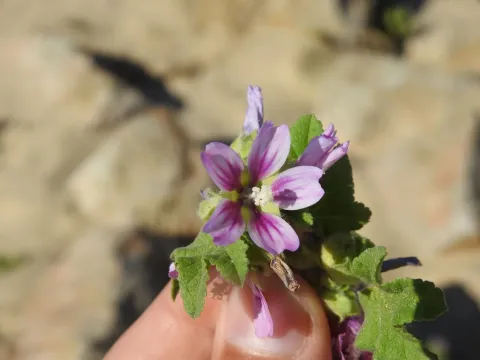
Malva durieui
Malva durieui
Sowing of Malva durieui is typically scheduled for early spring once the soil temperature is sufficient to support germination processes.
What the section contains
Malva durieui
Seeds should be placed in well-prepared, loose soil at a depth of approximately 1.5 to 2 centimeters to ensure optimal development.
For better control, using a seedling tray inside a greenhouse can help establish stronger root systems before transplanting to the field.
Spacing between plants must be carefully managed, with an average density of 4 to 6 plants per square meter to prevent overcrowding.
Pre-sowing treatments, including light scarification or stratification, may be beneficial for improving the overall emergence rate of the seeds.
Malva durieui thrives in environments with full sunlight, requiring locations that are protected from intense, direct wind currents.
The ideal soil for this crop is fertile and well-draining, with a neutral pH level, avoiding areas prone to waterlogging or compaction.
Consistent moisture levels are essential during the early growth stages, though the plant shows some tolerance to dryness once fully established.
Regular fertilization with balanced nutrients helps sustain the plant throughout its active growing season and enhances flower production.
Proper aeration of the soil through light cultivation between rows is recommended to support root oxygenation and plant health.
The primary value of Malva durieui lies in its impressive vegetative growth, making it a valuable asset for various landscaping projects.
The yield of seeds depends largely on favorable pollination conditions and the availability of nutrients during the flowering phase.
With careful management, cultivators can achieve a consistent and high-quality harvest of both green biomass and mature seeds.
The species exhibits a robust growth habit that, when managed correctly, produces strong stalks and an abundance of floral buds.
Assessing the plant's health periodically allows farmers to optimize inputs and ensure maximum yield per unit area cultivated.
The plant is susceptible to fungal infections, with leaf rust being the most common issue observed under high humidity conditions.
Preventative measures, such as ensuring adequate airflow and avoiding overhead irrigation, are vital for reducing the risk of disease.
Pests such as aphids and spider mites can pose significant threats during hot and dry spells, necessitating proactive monitoring.
Integrated pest management strategies, including the use of targeted biological controls, are preferred over broad-spectrum pesticides.
Timely identification of damaged leaves is necessary to quarantine affected plants and prevent the spread of pathogens across the plot.