
Looking-glass mangrove
Heritiera littoralis
Description
Growing requirements
The looking-glass mangrove (Heritiera littoralis) is a prominent member of the Malvaceae family. It is a robust, evergreen tree specifically adapted to the challenging environments of tropical intertidal zones.
Botanically, the tree is defined by its characteristic buttress roots, which provide structural support in unstable, waterlogged, and saline mud flats along tropical coastlines.
The species thrives in a strictly tropical climate with high humidity and significant annual precipitation. It is a vital component of the mangrove forest ecosystem in the Indo-Pacific region.
Soil requirements are centered on deep, nutrient-rich alluvial substrates found in estuaries. The plant requires regular tidal flushing to maintain proper salt balance within its tissues.
Cultivation of this species requires a deep understanding of hydrological cycles. Forestry management involves protecting the natural water flow to ensure optimal growth of seedling populations.
Yield
Heritiera littoralis is primarily managed for its high-quality timber, known for its exceptional hardness and durability, making it suitable for heavy-duty marine construction.
Its timber is highly valued in boat building, tool handle manufacturing, and structural engineering due to its natural resistance to decay and termites in humid environments.
The bark of the tree serves as a commercial source of tannins, which are essential for leather processing, while the seeds have traditional applications in medicinal contexts.
Sustainable yield is achieved through selective harvesting cycles, as the tree exhibits a slow to moderate growth rate, reflecting its adaptation to a high-stress environment.
Beyond timber, these trees provide substantial ecosystem services, including carbon sequestration and protection against coastal erosion, which increases the land value of plantation zones.
Main diseases and pests
The main threats to this species include large-scale deforestation for aquaculture, particularly for shrimp farming, which leads to the total loss of mangrove habitats.
Pathogenic threats include fungal infections of the roots and bark infestations by wood-boring insects, often exacerbated by water pollution and decreased habitat health.
Altered river flow, such as upstream damming, can drastically change salinity levels in estuaries, leading to significant physiological stress and mortality among mangrove stands.
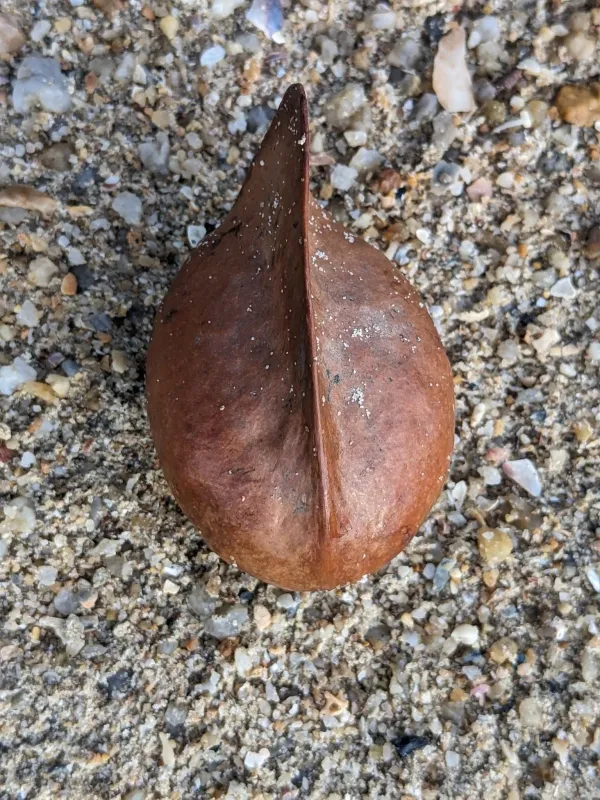
Invasive species and pollution from urban runoff pose additional threats, inhibiting the development of the buoyant fruits and the establishment of new seedlings in the mud.
Climate change, specifically rising sea levels, forces these trees to migrate inland, but coastal development frequently prevents this natural adaptation, threatening local populations.