
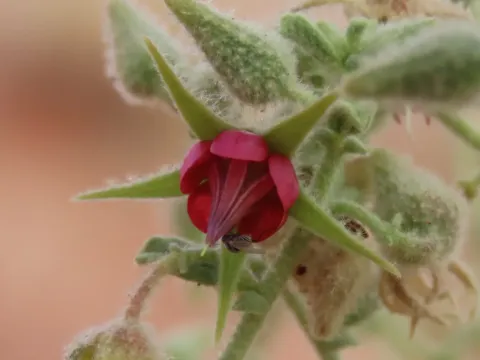
Mahernia
Mahernia
Mahernia is a genus of flowering plants belonging to the Malvaceae family, historically associated with the Sterculiaceae. These plants are native to the arid and semi-arid regions of Southern Africa, which defines their evolutionary adaptation to dry conditions and specific solar exposure requirements.
What the section contains

Mahernia
Botanically, Mahernia species are recognized by their distinct bell-shaped flowers and often dentate leaves. Their habit varies from herbaceous perennials to subshrubs with sprawling or pendulous stems, making them an interesting choice for specialized horticulture and botanical collections.
Successful cultivation requires soil that mimics the plants' native environment: extremely well-drained, sandy or gravelly loam with a slightly acidic to neutral pH. Providing optimal aeration to the root zone is the most critical factor in preventing physiological stress in these plants.
Climate requirements involve high light intensity to encourage dense growth and flower initiation. While they can tolerate high temperatures, they require adequate air movement to prevent overheating, which can inhibit the plant's metabolic processes and lead to premature leaf drop.
Agricultural management should focus on a "dry-wet-dry" irrigation cycle, ensuring that the root system never remains saturated with water. Fertilizer application should be minimal, as these plants are well-adapted to nutrient-poor soils; a balanced, diluted liquid fertilizer during the active growing season is generally sufficient.
The primary biological threats to Mahernia in cultivation are sap-sucking pests such as spider mites, aphids, and whiteflies, especially when grown in greenhouse conditions. Integrated pest management, including the use of biological controls or targeted soaps, is recommended over heavy chemical reliance.
Fungal pathogens represent a significant risk, particularly Botrytis and various root rot fungi, which thrive in conditions of poor air circulation and excessive substrate moisture. Maintaining strict sanitation of the growing environment and proper spacing between individual plants is essential for long-term health.