
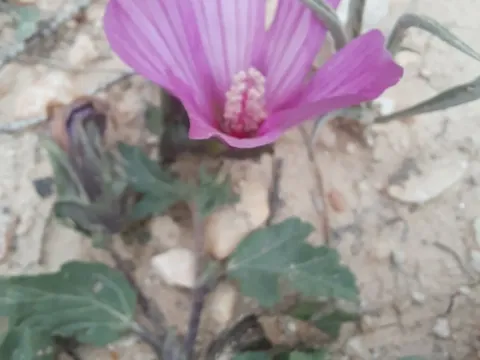
Malope
Malope malacoides
Seeds of Malope malacoides are typically sown directly into open ground during April or May, once all danger of frost has passed. This direct method prevents disturbance of the root system.
What the section contains
Malope
If starting seeds indoors, use peat pots in March to minimize root shock during transplanting. The species has a long taproot, which makes it sensitive to being moved once established.
Sow seeds at a depth of approximately 0.5 to 1 centimeter. Proper spacing is essential, with 30–40 centimeters between individual plants to ensure adequate airflow and sunlight exposure.
Germination usually takes between 10 and 14 days under favorable conditions. Ensure the soil remains consistently moist until seedlings emerge to guarantee successful establishment.
Once seedlings have developed their first true leaves, thinning is recommended to maintain optimal plant density and prevent competition for nutrients and water.
Malope malacoides is a vibrant annual member of the Malvaceae family. Originating from the Mediterranean region, it is well-adapted to warm, temperate climates and sunny environments.
The plant requires full sun exposure to flourish and produce its characteristic funnel-shaped blooms. Inadequate light results in weak, leggy stems and reduced flowering potential.
Well-drained, fertile soil is necessary for healthy growth. While it is not overly demanding regarding soil type, it thrives best in loose, loamy substrates that prevent moisture accumulation around the roots.
Consistent, moderate moisture is preferred during the growing season. However, once the plants are fully established, they exhibit a reasonable level of tolerance to short-term dry spells.
Regular maintenance, including the removal of spent flowers, can encourage the plant to produce new blooms, thereby extending the flowering season throughout the summer months.
Powdery mildew is the most common fungal issue for Malope. It usually appears as white, powdery spots on leaves, often triggered by high humidity levels or poor air circulation.
Root rot can occur in soil that does not drain properly. To avoid this, ensure that planting sites are elevated or amended with sand or organic matter to improve drainage characteristics.
Aphids are frequent pests that colonize tender stems and buds, feeding on sap and potentially weakening the plant or transmitting viral diseases if left untreated.
Spider mites may also affect the foliage during hot, dry periods. Regular inspection of the undersides of the leaves is advised to catch infestations before they become severe.
Integrated pest management, including the use of neem oil or insecticidal soap, is an effective way to handle infestations while minimizing impact on beneficial insects in the garden.