
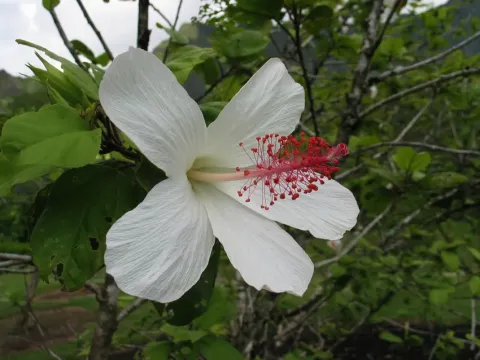
Hibiscus waimeae
Hibiscus waimea
Hibiscus waimeae is a rare, woody species belonging to the Malvaceae family, native exclusively to the island of Kauai in Hawaii. It is scientifically categorized into two subspecies and is renowned for its stunning, fragrant white flowers that bloom in tropical environments.
What the section contains
Hibiscus waimeae
The plant functions as a small tree or large shrub, potentially reaching heights of up to 10 meters in its natural habitat. It thrives in well-drained, nutrient-rich soil with a slightly acidic profile, often found in mesic forest zones where moisture is consistent.
Environmental conditions for successful growth require high humidity levels and constant warm temperatures. It is highly intolerant of frost, which means that in non-tropical regions, this culture must be kept in greenhouses or protected conservatory environments.
Cultural practices involve balanced watering schedules, ensuring the medium is moist but never waterlogged. Fertilization should be moderate, focusing on balanced NPK ratios during the active growing phase in the spring and summer months.
This species is predominantly utilized for ornamental purposes in botanical gardens and upscale landscaping. Due to its endemic nature, it is a protected plant, and its cultivation contributes to the ex-situ conservation of rare Hawaiian biodiversity.
The most common pests affecting Hibiscus waimeae are spider mites and whiteflies, which thrive in dry indoor conditions. Regular monitoring of the foliage is essential to prevent infestations that can stunt plant growth.
Fungal issues, such as leaf spot and root rot, are primary threats primarily driven by poor drainage and excessive watering. These pathogens thrive in stagnant, humid environments where airflow is insufficient.
Nutritional imbalances can manifest as leaf chlorosis, often corrected by adjusting soil pH or providing chelated iron supplements. Proper site selection and drainage management are the first lines of defense against most biological threats.
Integrated pest management (IPM) is recommended, utilizing physical barriers and biological controls before resorting to chemical insecticides. Always test systemic pesticides on a small portion of the plant to check for phytotoxicity.
Sanitation practices, such as removing fallen leaves and pruning dead wood, are critical to reduce the inoculum load of soil-borne diseases and provide a healthy environment for the plant to thrive.