
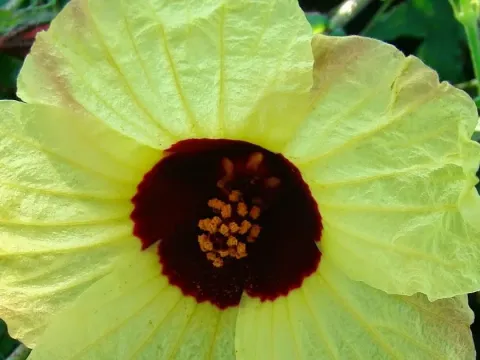
Hibiscus surattensis
Hibiscus surattensis
The seeds of Hibiscus surattensis are typically sown at the onset of the rainy season when temperatures consistently range between 22 and 30 degrees Celsius.
What the section contains
Hibiscus surattensis
For uniform germination, it is recommended to scarify the seed coat before planting, which helps in breaking dormancy and ensuring a faster emergence of seedlings.
Seeds should be sown in rows with a spacing of 50–60 centimeters, allowing each plant enough room to branch out and develop a strong root system.
In arid regions, supplemental irrigation is crucial during the germination phase to ensure that the fragile seedlings do not desiccate under high heat.
If starting in a nursery, sow seeds in biodegradable containers about 4–6 weeks before the expected field transplantation date to ensure optimal establishment.
Hibiscus surattensis is a member of the Malvaceae family and thrives in fertile, well-drained loamy soils with a neutral or slightly acidic soil reaction.
This species is highly photophilous and requires full sun exposure to maximize photosynthetic activity and promote vigorous vegetative growth throughout the season.
The plant demands high ambient humidity and consistent soil moisture, making it best suited for tropical or subtropical climates with significant rainfall.
The thermal optimum for development falls between 20 and 35 degrees Celsius; the plant is highly sensitive to frost and cold snaps which can cause mortality.
Agricultural management should include regular weed control and the application of organic fertilizers to support the plant’s rapid growth and fiber quality.
The primary economic value of Hibiscus surattensis lies in its bast fiber, which is extracted from the stems and used in traditional textile production.
Yield of total biomass is significantly influenced by plant density and the availability of essential macro and micronutrients throughout the growing cycle.
Beyond fiber, the succulent young leaves and shoots are edible, serving as a secondary yield component for local culinary and forage purposes.
Seed yield depends heavily on the presence of local pollinators, as adequate fertilization is required for the development of fully formed seed capsules.
With modern agronomic practices, such as optimized fertilization schedules, producers can achieve higher fiber yields per hectare compared to traditional methods.
Common threats to this crop include fungal root rot pathogens, which are particularly prevalent in waterlogged soils or areas with poor drainage systems.
Pests like aphids and spider mites can infest the foliage, especially during drier spells, leading to stunted growth and reduced crop vigor.
Larval stages of various insects can cause significant leaf damage, necessitating regular field monitoring and the use of integrated pest management strategies.
Crop rotation is essential to prevent the buildup of soil-borne pathogens and to maintain long-term soil health for sustainable cultivation of the species.
Biological control agents, such as predatory mites or beneficial fungi, are preferred to maintain the ecological balance and prevent chemical contamination.
The harvest of fiber occurs at the early flowering stage when the stems reach peak cellulose density, ensuring the best quality and strength of the fibers.
Stems are cut, bundled, and traditionally retted in water to separate the fibers from the non-fibrous bark, followed by drying and cleaning processes.
Seed harvesting should be timed carefully as the capsules ripen to prevent natural dehiscence, which would otherwise result in significant seed loss.
For fresh vegetable consumption, young shoots are harvested periodically throughout the growing season by manual pruning of the apical growth.
Post-harvest handling requires clean, well-ventilated storage to ensure the dried materials remain free of mold and preserve their structural integrity.