
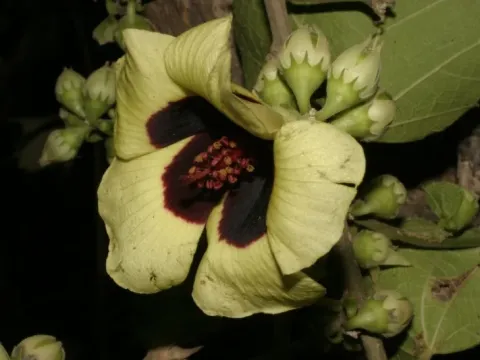
Hibiscus sterculiifolius
Hibiscus sterculiifolius
Hibiscus sterculiifolius, a member of the Malvaceae family, is a tropical shrub known for its high fiber content. In its native African habitat, sowing usually takes place at the onset of the rainy season, when soil moisture levels are conducive to rapid germination. The seeds require consistent warmth to break dormancy and establish a healthy root system.
What the section contains
Hibiscus sterculiifolius
For large-scale cultivation, seeds should be sown in prepared beds with adequate spacing to minimize competition for nutrients. Early establishment is critical, as the young seedlings are delicate and require protection from intense weed pressure during the first weeks of growth.
The plant thrives in tropical climates characterized by high average temperatures and abundant rainfall. It is sensitive to thermal stress, particularly cold temperatures, which can stall growth and decrease the final yield of high-quality stem fiber. Full sun exposure is essential for maintaining optimal photosynthetic rates.
Regarding soil preference, Hibiscus sterculiifolius requires deep, fertile, and well-drained soils. Loamy textures are ideal as they allow for proper root penetration and avoid waterlogging, which the plant is highly susceptible to. A pH range of 6.0 to 7.0 is typically considered optimal for nutrient availability.
Agronomic maintenance includes periodic weeding and the application of fertilizers high in nitrogen during the rapid growth phase. As the plant focuses energy on vegetative elongation, supplemental nutrition ensures the development of long, strong fibers within the vascular tissues of the stem.
Like many Malvaceae species, this plant can be susceptible to various pests, particularly leaf-eating insects and stem borers that can compromise fiber integrity. Integrated pest management strategies, such as crop rotation and the use of natural predators, are recommended to maintain plant health.
Fungal diseases related to excessive humidity and poor soil drainage are also common threats. Implementing strict spacing protocols and avoiding overhead irrigation can significantly reduce the incidence of soil-borne pathogens. Regular field monitoring is necessary to prevent localized outbreaks from spreading across the crop area.
Harvesting is timed based on the plant's phenological stage, typically during the peak of the flowering period. At this stage, the fiber quality within the stems is at its maximum potential for industrial use. Mechanical cutting or manual harvesting is followed by retting processes to extract the raw fibers.