
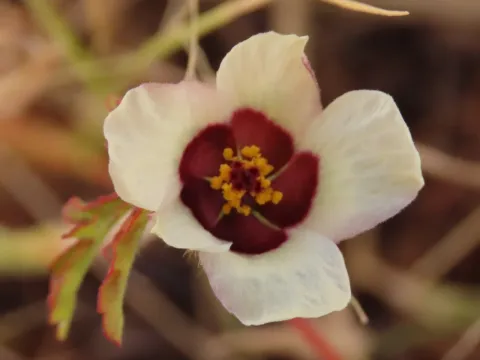
Hibiscus trionum
Hibiscus ternatus
Hibiscus trionum, commonly known as flower-of-an-hour, is an annual herbaceous plant belonging to the Malvaceae family. Sowing is typically carried out in spring when the soil temperature consistently reaches 15 degrees Celsius.
What the section contains
Hibiscus trionum
Seeds are sown at a depth of approximately 2-3 centimeters. A well-prepared seedbed is essential to ensure uniform germination, as the plant is sensitive to early-stage competition from weeds.
The spacing between rows is generally kept at 45 to 60 centimeters to facilitate efficient mechanical cultivation. Proper spacing ensures that each plant receives adequate access to sunlight and air circulation.
In regions with shorter growing seasons, starting seeds in greenhouses for later transplanting can be an effective strategy to maximize biomass accumulation before the onset of autumn frosts.
Early maintenance involves thinning the seedlings to ensure an optimal stand density, which is critical for maximizing yield in fiber or seed production.
This crop thrives in sunny, well-drained locations with high levels of solar exposure. It is highly heat-tolerant but requires consistent moisture to maintain its rapid growth rate throughout the season.
The soil should be fertile, sandy loam or loam with a neutral pH. While it is adaptable, it performs best in soils rich in organic matter, which supports the intensive vegetative growth typical of this species.
Adequate water management is crucial; although the plant can withstand short periods of dryness, prolonged drought will significantly reduce its height and final harvestable yield.
Fertilizer application should be based on soil analysis. Nitrogen-heavy fertilizers promote rapid stem elongation, whereas phosphorus is vital for root development and subsequent seed formation.
Proper aeration of the soil via regular cultivation of the inter-row spaces is a standard practice to prevent crusting and to manage the soil moisture regime effectively.
Common phytosanitary issues include fungal infections like Verticillium wilt and various leaf spot diseases, especially in humid and poorly ventilated field conditions.
Insect pests such as aphids and spider mites can be problematic. These pests multiply rapidly in hot, dry environments, posing a threat to the vegetative parts of the plant.
Integrated Pest Management (IPM) strategies, including biological control agents and localized chemical treatments, are recommended to maintain plant health without disrupting the surrounding ecosystem.
Good agricultural practices, such as maintaining proper crop rotation cycles with non-Malvaceae species, are essential to break the life cycles of soil-borne pathogens.
- Monitor fields weekly for signs of pest infestation.
- Remove infected debris from the field immediately to prevent pathogen spread.
- Use certified, high-quality seeds to minimize initial disease risks.
Harvesting for biomass or fiber occurs after the plant reaches its peak vegetative stage but before the stems become overly lignified and difficult to process.
When grown for seeds, the harvest is performed once the capsules turn brown and begin to show signs of drying, usually at the end of the summer season.
Mechanical harvesting equipment should be calibrated to prevent excessive seed shattering in the field, as the capsules can release seeds easily upon impact.
Post-harvest handling requires immediate drying of the raw material to prevent microbial contamination and to ensure the longevity of the fibers or the viability of the seeds.
Proper storage in cool, dry conditions is necessary to maintain the quality of the harvested crop, especially for long-term storage or processing purposes.