
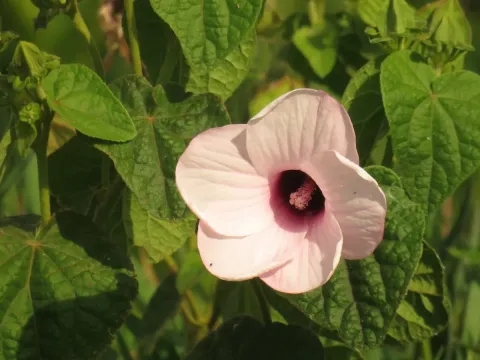
Hibiscus sororius
Hibiscus sororius
Hibiscus sororius is a perennial herbaceous plant belonging to the Malvaceae family. It is native to tropical regions, particularly Australia, where it thrives in moist environments, including wetlands and near freshwater sources.
What the section contains
Hibiscus sororius
The plant requires high levels of soil moisture to maintain its turgor and growth rate. Ideal soil conditions include nutrient-rich, well-draining substrates that are slightly acidic to neutral, allowing for consistent hydration without prolonged waterlogging.
As a tropical species, its climate requirements are strict. Hibiscus sororius necessitates warm temperatures throughout the year and is highly sensitive to cold, making it unsuitable for outdoor cultivation in temperate regions without protection.
Agricultural management focuses on providing adequate space for root development and regular irrigation. In managed landscapes, ensuring high humidity levels is crucial for leaf health and preventing premature yellowing or desiccation of foliage.
The primary use of Hibiscus sororius is in ornamental horticulture. Its aesthetic value is derived from its characteristic foliage and distinct hibiscus flowers, making it a sought-after species for botanical gardens and specialized plant collections.
Common pests affecting Hibiscus sororius include aphids and spider mites, which can become problematic in dry conditions or restricted airflow. These pests drain the plant's resources, often leading to reduced vigor and diminished flowering.
Root rot, often caused by Pythium or Fusarium species, is a major disease threat. It is typically triggered by poor drainage or overwatering, which creates a low-oxygen environment that suffocates the roots.
Management of pests involves a combination of mechanical removal and targeted bio-pesticides. Maintaining a healthy environment for natural predators can also contribute to pest control in larger greenhouse setups.
Disease prevention is achieved through strict hygiene protocols and soil sterilization before planting. Ensuring proper spacing between individual plants is essential to promote effective airflow, which significantly reduces the risk of fungal outbreaks.
Continuous monitoring of the plant's condition is vital. By observing leaf color and stem integrity, growers can identify early stress signals, allowing for rapid intervention before pests or pathogens cause irreversible damage.