
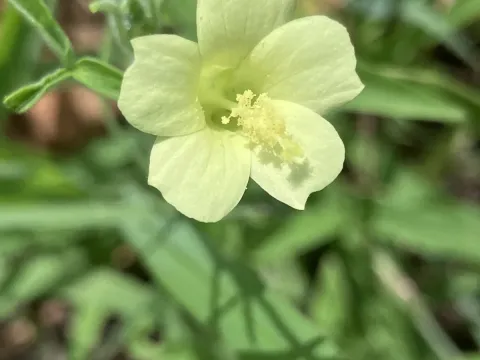
Hibiscus sidiformis
Hibiscus sidiformis
Sowing of Hibiscus sidiformis is conducted in well-warmed soil once the risk of spring frosts has passed. The optimal soil temperature for seed germination should be at least 15–18 degrees Celsius for successful establishment.
What the section contains
Hibiscus sidiformis
In industrial production, seeds are sown in rows with spacing between 45 and 60 centimeters. The seeding depth depends on soil texture and typically ranges from 2 to 4 centimeters to ensure consistent contact with the moist soil layer.
When cultivating this species as an annual crop, it is essential to follow specific seeding rates to provide adequate space for each plant. Excessive plant density can lead to reduced fiber quality and restricted stem development.
It is recommended to use high-vigor, certified seeds to ensure uniform emergence. Pre-soaking seeds in growth stimulants can significantly improve field germination rates, particularly under moisture-deficient conditions.
Thinning is a mandatory agronomic practice after emergence if the crop was initially over-seeded. This eliminates competition for nutrients and solar radiation between seedlings, fostering healthier and more vigorous growth.
Hibiscus sidiformis belongs to the Malvaceae family and is a heat-loving plant that requires a long growing season with high average temperatures. The crop thrives most effectively in regions characterized by tropical or subtropical climates.
The plant has moderate soil requirements, preferring fertile, well-drained loams or chernozems with a neutral to slightly acidic pH. Waterlogging in the root zone is detrimental to the crop and frequently triggers fungal diseases.
Adequate sunlight is a critical growth factor; therefore, planting sites must be open and sheltered from strong, damaging winds. Excessive shade significantly reduces biomass accumulation rates and the overall quality of the fiber.
While the plant shows moderate drought tolerance, regular moisture is required during critical growth phases to secure a high-quality stem yield. Irrigation is necessary in dry periods to maintain optimal tissue turgor.
The availability of macro- and micronutrients, particularly nitrogen during early developmental stages, is essential. Applying organic fertilizers before planting improves soil structure and enhances the overall productivity of the crop.
The yield of Hibiscus sidiformis depends directly on management practices and the climatic conditions of the cultivation region. In favorable years with optimal precipitation, the biomass output per hectare can reach significant levels.
The primary value of this crop is the stem, which serves as a source of high-quality bast fiber. Productivity is determined primarily by plant stand density and the efficiency of the growth cycle.
Using intensive cultivation techniques, including strategic mineral fertilization, significantly increases the dry matter yield of stems. Maintaining a balance between vegetative growth and fiber accumulation within the stem is vital.
Seed productivity is also an important metric, especially for maintaining sustainable seed stocks for subsequent seasons. Proper flower formation and timely pod maturation are key to ensuring high-quality, viable seeds.
Limiting factors for yield include temperature fluctuations and pest pressure during the early growth stages. Integrated crop management practices help stabilize production and minimize risks from year to year.
The most significant pests affecting Hibiscus sidiformis are various aphid species, which damage tender young leaves and growing points. Heavy infestations can significantly weaken the plant and hinder its development.
Spider mites pose a substantial threat, especially under conditions of low humidity and high temperatures. They feed on plant sap, causing yellowing and premature leaf drop, which disrupts essential photosynthetic processes.
Among diseases, special attention should be given to root rots, which commonly arise due to waterlogging or soil compaction. These pathogens attack the root system, preventing the effective uptake of essential nutrients.
Powdery mildew may affect the foliage during periods of fluctuating humidity and temperatures. The disease appears as a characteristic white coating, which suppresses growth and degrades the quality of the raw material.
Preventative measures include effective crop rotation, avoiding excessive planting density, and timely removal of weeds, which often serve as reservoirs for pests and vectors for various plant diseases.
Harvesting of Hibiscus sidiformis occurs at the stage of technical maturity when the fiber accumulation in the stems reaches its peak quality. This stage typically aligns with the onset of flowering or the budding phase.
Harvesting is performed using specialized machinery or mechanized mowers to ensure rapid cutting of the biomass. Timely harvesting prevents the fiber from becoming too coarse, which is critical for industrial processing efficiency.
After cutting, stems undergo primary processing, including maceration, to separate the fiber from the woody inner core (shive). This process can be achieved through natural retting or accelerated chemical treatments.
Raw material must be dried in well-ventilated conditions to prevent rotting and mold development. The moisture content of the stored fiber must not exceed established standards to preserve quality during long-term storage.
If the crop is grown for seed, harvesting is delayed until the pods are fully mature and turn a characteristic brownish color. Following collection, seeds are cleaned of debris and dried to an optimal moisture level.