
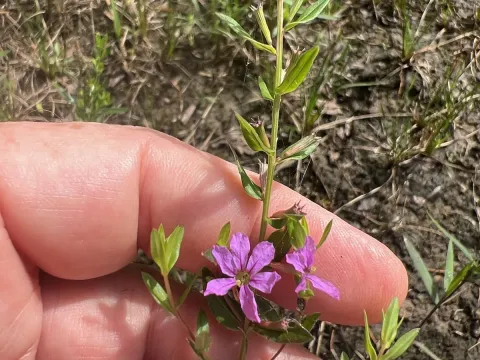
Winged loosestrife
Lythrum alatum
Winged loosestrife (Lythrum alatum) is a perennial herbaceous plant belonging to the Lythraceae family. Originally native to North America, it has gained recognition in agricultural sectors focusing on wetland restoration and specialized honey production.
What the section contains
Winged loosestrife
The plant thrives in moist environments, making it an excellent choice for poorly drained soils or areas adjacent to water bodies. Its natural range spans diverse climates, indicating high adaptability to varying temperature regimes across North American and temperate regions.
Soil requirements for optimal growth include a preference for silt or clay-based substrates with good moisture retention. While it prefers neutral soil, it demonstrates a notable tolerance for slightly acidic or alkaline conditions, provided the nitrogen levels are sufficient.
Agrotechnical management involves ensuring adequate sunlight exposure, as full sun promotes vigorous flowering and robust stem development. In commercial settings, managing moisture levels is critical to achieving maximum biomass or nectar output.
Economic utility is centered on its role as a high-quality nectar source for apiculture and its use in landscape restoration. Its resilience and longevity make it a cost-effective choice for long-term ecological projects.
Winged loosestrife is relatively resilient to typical agricultural pests, often requiring minimal intervention. Its structural density and chemical defenses contribute to a natural resistance against many common herbivores.
Fungal issues, particularly powdery mildew, may occur during periods of high humidity and stagnant air. Maintaining proper planting density is the primary preventative measure to ensure adequate ventilation through the plant canopy.
Occasional infestations of leaf-eating insects are generally manageable through manual removal or biological controls. Chemical pesticides should be strictly avoided due to the plant’s importance for bee populations and other essential pollinators.
Weed competition during the establishment phase is the most significant threat to a new planting. Applying organic mulch around the base of the plants during the first year is highly recommended to suppress weed germination.
Overall, monitoring the health of the crop during early summer is essential. Maintaining plant vigor through proper soil moisture management is the most effective defense against both abiotic stress and biological pathogens.