
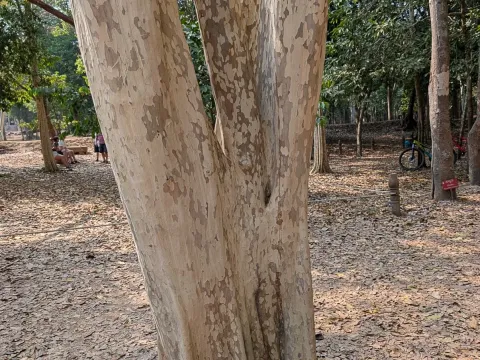
Lagerstroemia calyculata
Lagerstroemia calyculata
Lagerstroemia calyculata is a prominent member of the Lythraceae family, known for its status as a significant deciduous tree species. It is widely recognized for its robust growth habit and the high quality of its timber, which is highly valued in its native habitats.
What the section contains
Lagerstroemia calyculata
The species is indigenous to the tropical regions of Southeast Asia. It typically thrives in monsoon-influenced climates, where the distinct seasonal patterns of heavy rainfall and dry periods facilitate its lifecycle and the development of dense wood structures.
Successful cultivation requires well-drained, fertile soil. The species does not tolerate waterlogging, which necessitates careful site selection and the implementation of proper drainage systems in areas where natural soil drainage might be inadequate.
This tree is highly photophilous and requires full sun exposure to maintain its growth rates. Limited sunlight can lead to stunted development and negatively impact the structural integrity of the wood, reducing its overall industrial value.
In terms of economic utility, the wood of Lagerstroemia calyculata is esteemed for its hardness and resistance to decay. It is extensively utilized in furniture manufacturing, high-quality flooring, and structural construction projects requiring durable materials.
The yield of Lagerstroemia calyculata in forestry plantations is highly dependent on effective early-stage management. Proper spacing and the reduction of inter-species competition are essential for maximizing the timber volume per hectare.
Growth rates are significantly improved through the targeted application of fertilizers that meet the specific nutrient demands of the Lythraceae family. Regular monitoring of the growth indices ensures that the plantations remain on track for commercial maturity.
Industrial yields are estimated based on the merchantable volume of the trunks. With intensive management, these trees can produce a consistent yield of high-quality lumber, making them a viable option for sustainable forestry in tropical regions.
The harvesting cycle is long-term, reflecting the biological nature of the species. To achieve optimal results, plantation managers focus on developing straight, clear boles by conducting selective pruning and training in the initial years of the tree's life.
Total harvest output is also influenced by the quality of silvicultural practices implemented during the stand's development. Ensuring tree health and uniform growth remains the cornerstone of achieving high productivity in commercial forestry settings.
Fungal diseases, such as powdery mildew, pose a primary threat to the health of Lagerstroemia calyculata, particularly during the wet season. High humidity levels encourage the proliferation of fungal spores, necessitating proactive fungicide applications.
Pest management is equally critical, as various wood-boring insects and leaf-feeding larvae can cause severe economic losses. Systematic monitoring allows for the early detection and management of pest infestations before they spread across the plantation.
Root rot remains a concern when soil drainage is poor or when irrigation practices are inconsistent. Maintaining a balanced soil moisture level is essential for preventing these types of soil-borne pathologies, which can cause significant tree mortality.
Mechanical injuries to the bark can facilitate the entry of secondary infections, which compromise the health of the tree and the future value of the timber. Protective measures, including the use of tree guards, are often employed to prevent damage from wildlife.
Integrated pest management strategies involve the use of both chemical and biological controls to minimize the environmental impact while protecting the yield. Regular inspections and adherence to forest hygiene are vital for mitigating long-term threats to the plantation.