
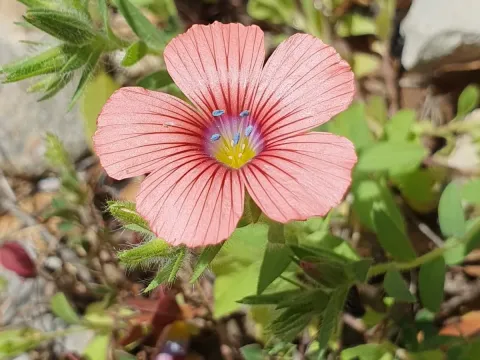
Hairy flax
Linum pubescens
Hairy flax (Linum pubescens) is a member of the Linaceae family. It is an annual plant naturally distributed throughout the Eastern Mediterranean, known for its resilience and specific environmental adaptations.
What the section contains
Hairy flax
The plant is botanically distinct due to the presence of fine hairs on its stems and leaves, a feature that provides protection against excessive transpiration in its native arid habitats.
For successful cultivation, Hairy flax requires well-drained soils and full sun exposure, as it thrives in conditions that mimic its Mediterranean origin without water stagnation.
The soil should ideally be light, such as loamy or sandy soils, with a neutral or slightly alkaline pH level to support optimal root development and nutrient uptake.
Agronomic management practices involve proper seedbed preparation and early weed control, which are essential to ensure the plant establishes itself effectively during the initial growth stages.
The primary threats to Linum pubescens include fungal diseases such as rust and Fusarium wilt, which are typically exacerbated by high humidity or poor soil drainage.
Flax beetles represent the most significant insect pest threat, particularly targeting young, succulent shoots during the spring season and causing rapid foliage damage.
Integrated Pest Management (IPM) strategies, including appropriate crop rotation and the use of treated seeds, are highly recommended to mitigate these potential risks.
Regular field scouting is necessary to identify signs of pest infestation or fungal disease early, allowing for timely intervention with authorized agricultural chemicals.
Maintaining balanced soil nutrition and preventing overcrowding in fields significantly contributes to building crop resistance against major biological and environmental threats.