
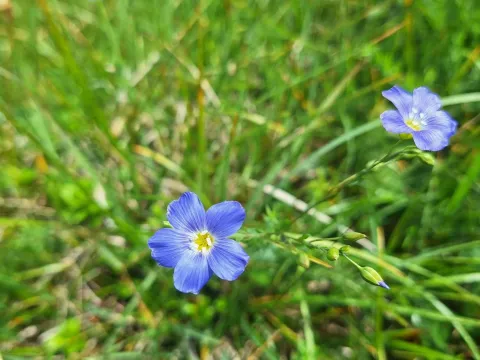
Extra-axillary flax
Linum extraaxillare
Extra-axillary flax (Linum extraaxillare) is a member of the Linaceae family. This perennial plant species is native to mountainous regions, exhibiting a remarkable ability to adapt to high-altitude environments and harsh weather conditions.
What the section contains
Extra-axillary flax
The plant thrives in well-drained, fertile soils, preferring neutral to slightly acidic pH levels. Its ecological profile is marked by high cold tolerance, making it an excellent candidate for regions where longer growing seasons are limited by low temperatures.
Botanically, this flax is identified by its sturdy, erect stems and vibrant blue flowers. Unlike annual flax, its perennial nature allows for long-term soil stabilization and consistent vegetative growth across multiple production years.
Agricultural management requires careful site selection to ensure adequate sunlight exposure. Since the plant is naturally adapted to slope ecosystems, it is particularly effective in soil erosion control programs and sustainable pasture management.
The cultural practices involve minimal tillage after establishment, which preserves soil structure. The plant's deep root system provides excellent resilience against water fluctuations, contributing to its status as a robust perennial resource.
The primary diseases affecting Linum extraaxillare are fungal pathogens, specifically those causing wilt and root rot during periods of prolonged saturation. Proper field drainage is critical to mitigate these risks and ensure plant health.
Flax beetles and other chewing insects are the most significant pests during the germination and early establishment phases. These organisms can severely impact plant density if not managed during the critical early development period.
Integrated pest management strategies should focus on preventive cultural practices, such as choosing high-quality, disease-free seed and maintaining optimal plant spacing to promote air circulation within the canopy.
Environmental conditions, such as sudden frost after early spring germination, can occasionally weaken the crop. Monitoring for signs of necrosis or discolored foliage is essential for early detection of potential stress or infestation.
Sustainable production relies on avoiding prophylactic chemical usage. Instead, field scouting and biological control agents are recommended to maintain a healthy and productive perennial stand without damaging the local ecosystem.