
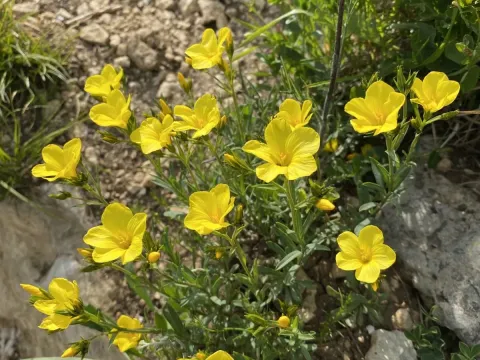
Crimean flax
Linum tauricum
Crimean flax (Linum tauricum) is a perennial herbaceous plant belonging to the Linaceae family. This species is native to rocky and steppe regions, primarily in the Crimea, which has shaped its specific physiological adaptations to harsh environments.
What the section contains
Crimean flax
The plant thrives in full sun exposure and requires well-drained soil to maintain its health. It is particularly well-suited for limestone or sandy substrates that prevent water stagnation near the root system.
As a xerophytic plant, it demonstrates excellent drought resistance, making it suitable for low-maintenance areas. However, for agricultural or ornamental purposes, supplemental watering during prolonged dry spells can improve flowering density.
Proper air circulation is crucial for the successful cultivation of this species. Dense soil structures should be avoided, as they restrict the growth of the taproot system and lead to physiological stress in the plants.
Linum tauricum is quite cold-hardy and can withstand significant drops in temperature, provided there is good drainage. Its environmental adaptability makes it a valuable species for xeriscaping and ecological restoration projects in temperate zones.
Fungal pathogens such as Fusarium wilt represent the most significant threat to Crimean flax, especially in humid or poorly drained soils. Infected plants typically show wilting of the upper shoots and eventual death.
The flax flea beetle is a common pest that poses a serious risk during the early vegetative stage. These insects feed on cotyledons and young leaves, potentially causing severe damage to the plant's population density.
Another concern is the flax bud moth, which larvae damage the developing seed pods. This pest can significantly reduce seed yields if left unmanaged, necessitating timely insecticide application during the budding period.
Root rot, often caused by Rhizoctonia or Pythium species, can emerge when soil moisture is consistently too high. Improving drainage and ensuring sufficient spacing between plants helps to reduce humidity levels.
Effective management strategies include the implementation of a proper crop rotation cycle, avoiding host plants from the same family for several years. Regular scouting during the peak of the growing season remains the best preventive measure against infestations.