
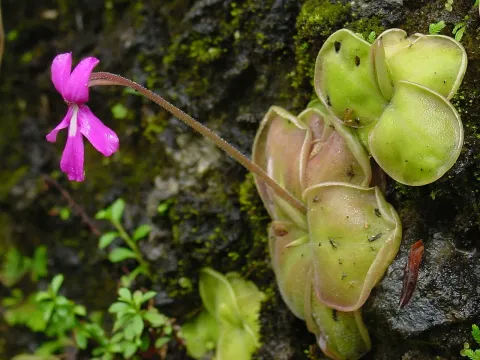
Butterwort
Pinguicula
Butterwort (Pinguicula) is a fascinating genus of carnivorous plants belonging to the Lentibulariaceae family. Native to various regions across the Northern Hemisphere, these plants thrive in environments where nitrogen is scarce, necessitating their carnivorous strategy to supplement nutrient intake.
What the section contains
 Alpine butterwort
Pinguicula alpina
Alpine butterwort
Pinguicula alpina
 Balkan butterwort
Pinguicula balcanica
Balkan butterwort
Pinguicula balcanica
 Causses butterwort
Pinguicula caussensis
Causses butterwort
Pinguicula caussensis
 Corsican butterwort
Pinguicula corsica
Corsican butterwort
Pinguicula corsica
 Hairy butterwort
Pinguicula villosa
Hairy butterwort
Pinguicula villosa
 Hairy-flowered butterwort
Pinguicula hirtiflora
Hairy-flowered butterwort
Pinguicula hirtiflora
 Large-flowered butterwort
Pinguicula grandiflora
Large-flowered butterwort
Pinguicula grandiflora
 Long-leaved butterwort
Pinguicula longifolia
Long-leaved butterwort
Pinguicula longifolia
 Narrow-spurred butterwort
Pinguicula leptoceras
Narrow-spurred butterwort
Pinguicula leptoceras
 Nevada butterwort
Pinguicula nevadensis
Nevada butterwort
Pinguicula nevadensis
 Pale butterwort
Pinguicula lusitanica
Pale butterwort
Pinguicula lusitanica
 Pinguicula agnata
Pinguicula agnata
Pinguicula agnata
 Pinguicula moranensis
Pinguicula moranensis
Pinguicula moranensis
 Pinguicula ramosa
Pinguicula ramosa
Pinguicula ramosa
 Pinguicula reichenbachiana
Pinguicula reichenbachiana
Pinguicula reichenbachiana
 Pinguicula vallisneriifolia
Pinguicula vallisneriifolia
Pinguicula vallisneriifolia
Butterwort
Botanically, butterworts are distinguished by their rosette of succulent, glandular leaves. These glands secrete a mucilaginous substance that acts as flypaper for small insects. Once captured, the plant secretes enzymes to digest the prey, absorbing the essential nitrogen and minerals through the leaf surface.
Cultivation requires specific conditions: they prefer bright, indirect sunlight. Intense direct sun can cause the leaves to scorch, while deep shade leads to weak growth and loss of the carnivorous traps. Maintaining appropriate light intensity is crucial for the distinct coloration of the leaves.
The substrate must be nutrient-poor and acidic. A typical mix includes a blend of peat moss, perlite, and coarse sand. Fertilizing is not required and can actually harm the plant, as their root systems are adapted to extremely low mineral concentrations found in acidic bogs or rocky outcrops.
Water quality is of paramount importance. Only distilled, reverse osmosis, or rainwater should be used for irrigation. Standard tap water contains salts and minerals that can build up in the substrate, eventually causing physiological stress and the death of the carnivorous leaf mechanism.
Fungal infections, particularly root rot, are the most common threats to Pinguicula. These are often triggered by improper drainage or allowing the plant to sit in stagnant water for extended periods, which invites pathogen colonization.
Aphids are a common pest that targets the tender leaves of the butterwort. They interfere with the plant's metabolic functions and reduce the efficacy of the digestive glands, weakening the plant's overall health and growth.
Mealybugs can also infest these plants, often hiding deep within the dense leaf rosette where they are difficult to reach. If left untreated, they can cause significant tissue damage and spread viral infections.
Spider mites represent a problem in low-humidity environments. These pests create fine webs and cause stippling on the leaves, leading to chlorosis and eventually causing the foliage to wither and fail prematurely.
Pest control requires caution due to the sensitivity of carnivorous plants to chemical treatments. Mechanical removal or mild, horticultural-grade solutions are preferred over harsh synthetic pesticides to ensure plant safety.