
Pinguicula reichenbachiana
Pinguicula reichenbachiana
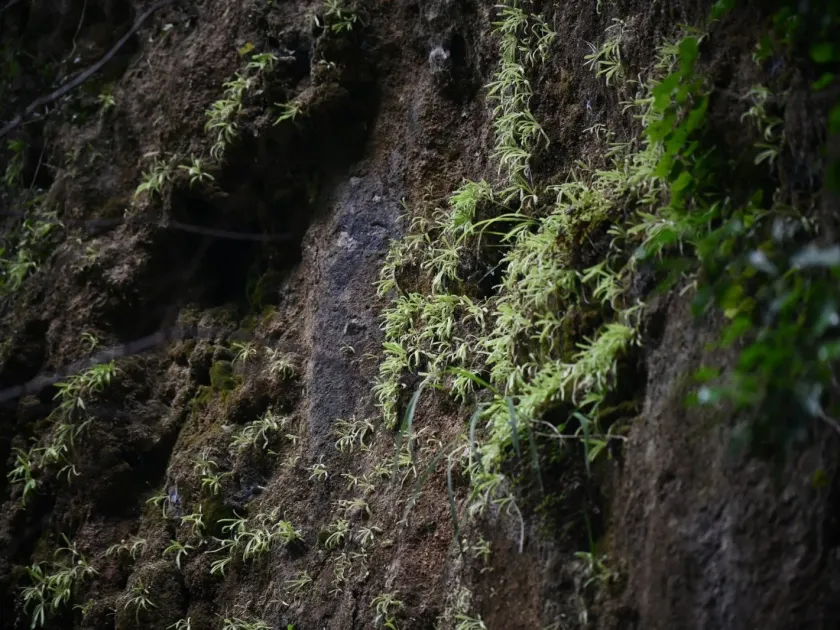
Description
Sowing dates
Propagation of Pinguicula reichenbachiana in a controlled environment is primarily achieved through leaf cuttings or the separation of offsets from the main plant.
Seed propagation requires sowing the seeds on the surface of a damp, sterile medium, as they need exposure to light to trigger germination.
The optimal timing for starting new plants is early spring, coinciding with the beginning of the plant's natural growing season.
High humidity levels are essential during the initial rooting phase, which can be maintained by using specialized propagation chambers or small greenhouses.
Young plants require careful handling due to their delicate root structures, making them susceptible to damage during transplanting or division.
Growing requirements
Pinguicula reichenbachiana, a member of the Lentibulariaceae family, is a carnivorous plant that has evolved to thrive in nutrient-poor environments.
The cultivation medium must be mineral-free and well-draining, typically consisting of a mix of peat moss, perlite, and silica sand.
The plant thrives under bright, filtered light conditions, as excessive direct sunlight can easily damage the delicate glandular leaves.
Watering should be performed exclusively with distilled or deionized water, as dissolved minerals and chlorine are highly detrimental to the roots.
Providing a distinct winter dormancy period with reduced temperatures and watering is critical for the long-term health and seasonal flowering of the plant.
Main diseases and pests
Fungal pathogens represent the most significant threat to this species, often triggered by poor ventilation and excessively high humidity in the growing area.
Root rot is a common ailment that occurs when the substrate remains waterlogged for extended periods, preventing proper gas exchange at the roots.
Pests such as mealybugs and spider mites can infest the rosettes, particularly in conditions where the air circulation is inadequate.
Integrated pest management strategies should focus on mechanical removal and maintaining optimal environmental conditions rather than chemical interventions.
Routine inspection of the plant's core and underside of the leaves is recommended to detect any signs of infestation or decay at an early stage.