
Pinguicula vallisneriifolia
Pinguicula vallisneriifolia
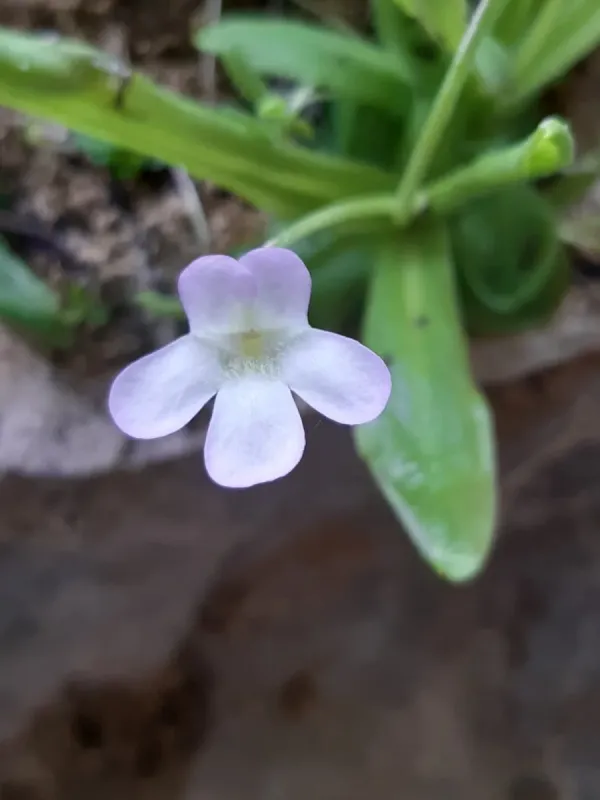
Description
Growing requirements
Pinguicula vallisneriifolia is a fascinating carnivorous plant species belonging to the Lentibulariaceae family. Native to the mountainous regions of southern Spain, it is typically found clinging to damp limestone rock faces.
The plant is distinguished by its long, strap-like leaves which form a basal rosette. These leaves possess sticky, glandular hairs that capture and digest small insects, providing the plant with essential nutrients not available in its rocky habitat.
Cultivation of this species requires a specific environment mimicking its natural niche. It thrives in high humidity and needs a constant water supply; the pot should be kept in a tray of distilled or deionized water to prevent root desiccation.
The substrate must be nutrient-poor and highly porous. A typical mix includes peat moss, perlite, and crushed limestone, which helps maintain the alkaline pH levels that this specific butterwort species prefers.
Light requirements involve bright but indirect sunshine. Direct midday sun can be detrimental to the delicate, sticky leaves, so cultivation in greenhouses or indoors under specialized horticultural lighting is standard practice.
Main diseases and pests
The most significant threat to Pinguicula vallisneriifolia is fungal infection, particularly gray mold, caused by stagnant air and excessive moisture trapped within the leaf rosettes. Proper airflow is essential for disease prevention.
Pests like aphids and mealybugs can infest the rosettes, sucking nutrients and weakening the plant. Since these plants are sensitive to chemicals, manual removal or mild insecticidal soaps should be used with extreme caution.
Root rot is a common danger resulting from the degradation of the growing medium. It is recommended to repot the plant annually to ensure the substrate remains fresh and maintains the necessary structural integrity.
The accumulation of mineral salts from improper water sources can lead to toxicity, causing leaf burn and necrosis. Always prioritize the use of water with low total dissolved solids to ensure long-term health.
Failure to provide a winter dormancy period can be fatal to the plant's health cycle. During the colder months, the plant naturally enters a reduced metabolic state and requires cooler temperatures and drier conditions to survive.