
Pinguicula ramosa
Pinguicula ramosa
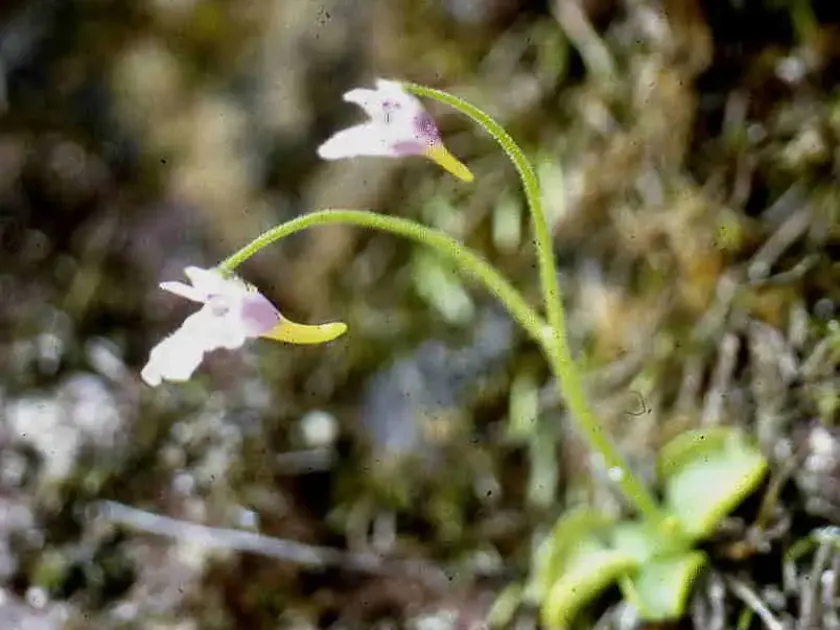
Description
Sowing dates
Pinguicula ramosa is a rare member of the Lentibulariaceae family. As a specialized carnivorous plant, its propagation requires precise agricultural practices to ensure successful germination and seedling development.
Seeds should be sown in late winter or early spring on a specialized, nutrient-poor substrate. A mix of peat moss and perlite is ideal for providing the necessary aeration and moisture retention.
The seeds are small and should not be buried deeply, as they require light to germinate. Maintaining high humidity is critical during the initial stages, which is achieved by covering the seed trays.
Seedlings need a consistent day length of at least 12 hours. Using supplemental LED lighting is recommended to maintain vigorous growth during the early developmental phases in protected cultivation.
Transplanting young plants should be done with extreme care due to their fragile root systems. Ensuring the substrate remains consistently moist but not waterlogged is essential for survival.
Growing requirements
The cultivation of Pinguicula ramosa demands an environment that mimics its natural habitat. The substrate must be highly acidic and entirely free of standard fertilizers, as the plant obtains its nutrients from prey.
Temperature control is vital; the plant thrives within a range of 15 to 25 degrees Celsius. Extreme heat or prolonged cold can trigger dormancy or stress, negatively impacting the plant's health.
Water quality is of the highest priority. Only distilled, reverse osmosis, or rainwater should be used, as minerals found in tap water will cause the plant to die over time.
Air circulation is crucial to prevent fungal growth. While the plant requires high humidity, stagnant air combined with moisture acts as a catalyst for various types of bacterial rot.
Light intensity should be kept at a medium level. If the leaves show signs of turning yellow or burning, the light source should be dimmed or moved further away from the plants.
Main diseases and pests
Fungal pathogens such as grey mold (Botrytis) are the most frequent cause of mortality in greenhouse-grown Pinguicula. These fungi flourish if the ventilation is insufficient.
Pests like aphids and mealybugs can infest the succulent leaves. These pests not only damage the leaf surface but can also introduce viral or bacterial diseases that are difficult to treat.
Root rot is typically caused by waterlogged soil. If the substrate does not drain properly, the roots lose their ability to oxygenate, leading to the rapid decay of the entire rosette.
Poor sanitation within the growing facility can lead to the spread of soil-borne pathogens. All tools and pots should be thoroughly sterilized before coming into contact with the plants.
Regular inspection is the best defense. Detecting an infestation early allows for the removal of the affected tissue, which often prevents the need for chemical intervention.