
Large-flowered butterwort
Pinguicula grandiflora
Description
Growing requirements
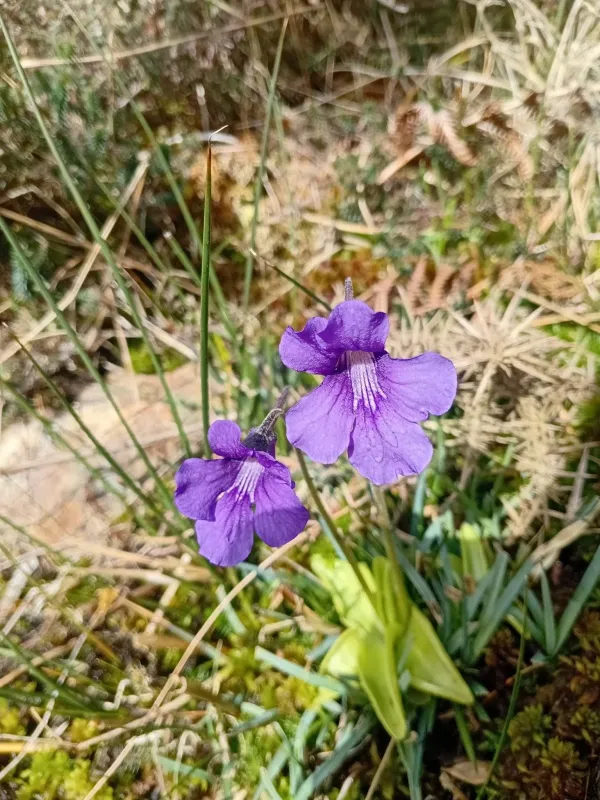
The large-flowered butterwort (Pinguicula grandiflora) is a carnivorous perennial belonging to the Lentibulariaceae family. It is native to the mountain ranges of Western Europe, typically thriving in moist limestone crevices and alpine wetlands.
To cultivate this species successfully, it is essential to maintain high humidity levels and a constant supply of distilled or rainwater. The plant requires bright, indirect light, as direct sunlight can easily scorch its sensitive, sticky leaves.
The growing medium must be nutrient-poor, mimicking the natural acidic and boggy environments. A mixture of peat moss, perlite, and silica sand provides the necessary drainage while maintaining the specific moisture levels required for the root system.
Climate management includes a vital winter dormancy period where temperatures must drop significantly to trigger the formation of hibernacula. This cycle is crucial for the overall health and the subsequent blooming phase of the butterwort.
Economically, this plant is used primarily in decorative horticulture and specialized botanical collections. Due to its unique ability to trap small insects such as fungus gnats, it is also valued as a natural pest control method in indoor gardening.
Main diseases and pests
Fungal infections, such as gray mold (Botrytis), pose a significant threat to the plant, especially in environments with stagnant air and excessive moisture.
Root rot is a common failure point caused by the use of mineral-heavy water or improper drainage, which leads to the suffocation of the delicate root system.
Pests like aphids can colonize the rosettes, sucking sap and hindering leaf development, which often leads to a rapid decline in the plant's vitality.
Spider mites are another major concern, typically appearing when the ambient air humidity drops below acceptable levels for extended periods.
Prevention relies on maintaining optimal airflow, ensuring the use of high-quality distilled water, and strictly avoiding any nutrient enrichment, which can be fatal to this specialized plant.