
Narrow-spurred butterwort
Pinguicula leptoceras
Description
Growing requirements
The Narrow-spurred butterwort (Pinguicula leptoceras) is a member of the Lentibulariaceae family. This perennial carnivorous plant is native to the high-altitude regions of the Alps, where it thrives in specialized niches.
The plant requires cool, humid conditions typical of mountainous habitats. Successful cultivation necessitates providing bright, indirect sunlight and a well-ventilated environment to mimic its natural alpine home.
The growing medium must be nutrient-poor, typically consisting of peat mixed with perlite and limestone grit. It is essential to maintain consistent moisture, utilizing only distilled or rainwater to avoid mineral buildup.
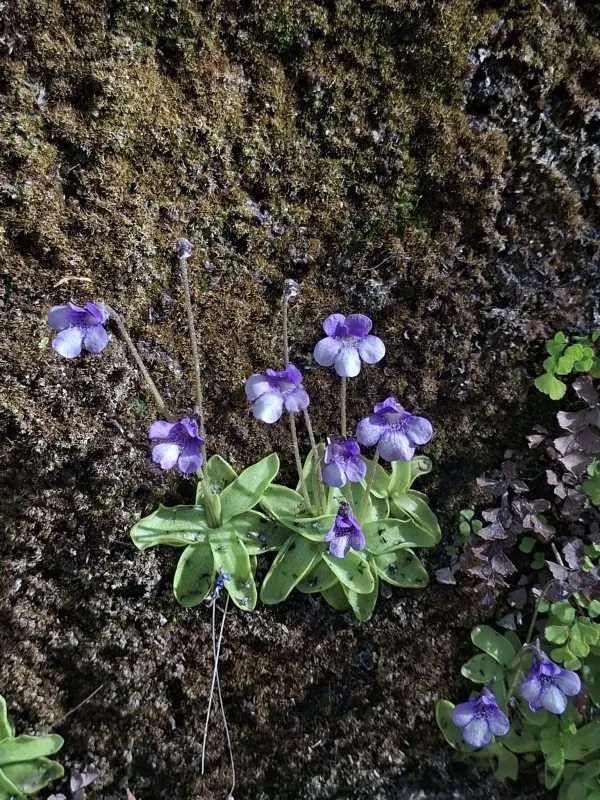
Botanically, it features a rosette of sticky, gland-covered leaves used to capture small insects. The flowers are distinguished by a long, slender spur, which serves as a key identifying characteristic for the species.
Currently, the species is mainly held in specialized botanical collections and private horticultural displays. It holds no significant value in large-scale commercial agriculture but is highly regarded by enthusiasts of carnivorous flora.
Main diseases and pests
Fungal diseases are the primary threat, often caused by stagnant air and excessive substrate moisture. Gray mold can quickly devastate the foliage if hygiene protocols are not strictly maintained.
Pests such as aphids and spider mites can infest the rosettes. Control is difficult because the sticky leaf surface is highly sensitive to most chemical pesticides, making physical removal the preferred method.
Overheating of the root zone during summer months is a significant risk factor. Maintaining a temperature differential between day and night is critical for the physiological health of the plant.
The dormancy period is a mandatory phase in the life cycle of Pinguicula leptoceras. Failure to provide a proper winter rest period leads to rapid plant depletion and increased susceptibility to opportunistic pathogens.
Poor water quality represents a constant threat to this species. Salt buildup from tap water can lead to root toxicity, emphasizing the necessity for pure water sources in all cultivation stages.