
Nevada butterwort
Pinguicula nevadensis
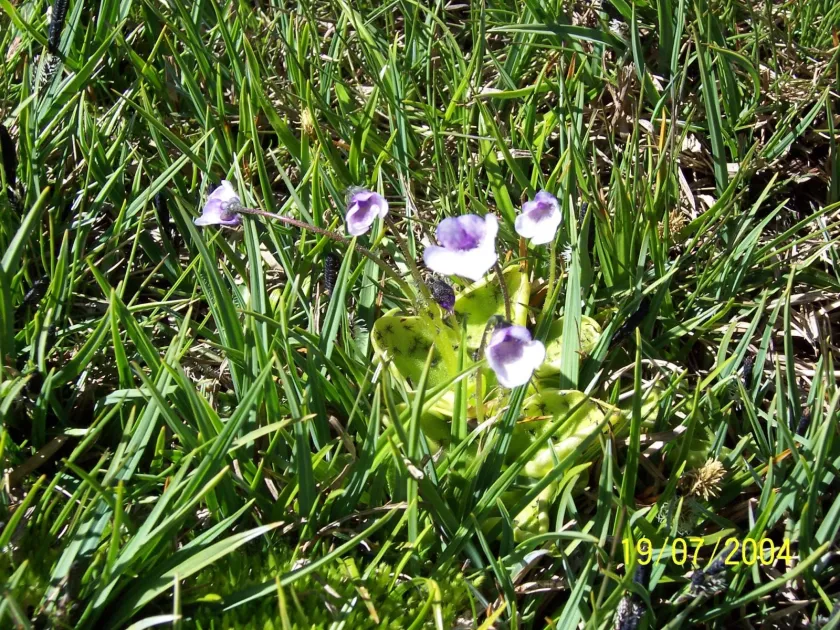
Description
Growing requirements
The Nevada butterwort is a specialized herbaceous plant belonging to the Lentibulariaceae family. This species is a rare endemic found naturally in the high-altitude regions of the Sierra Nevada mountains in Spain, typically growing on wet limestone rocks.
Successful cultivation of this plant requires a precise replication of its native alpine climate. It thrives in cool temperatures, high air humidity, and bright, indirect light to avoid leaf scorch during peak sunlight hours.
The growing medium must be airy, well-draining, and contain limestone components to reflect the plant's natural environment. A mix of peat, perlite, and fine limestone gravel is generally recommended for optimal growth and root health.
Irrigation should be managed using the tray method with distilled, rainwater, or reverse osmosis water only. The substrate should remain moist but not waterlogged, as poor drainage often leads to immediate root system degradation.
The plant has no agricultural or mass-production value. It is cultivated primarily by enthusiasts of carnivorous plants, research institutions, and botanical gardens dedicated to preserving rare and endangered endemic species.
Main diseases and pests
Fungal infections, particularly various types of rot, pose the most significant threat to the Nevada butterwort. These diseases are usually triggered by poor ventilation and overly damp conditions in the cultivation area.
Pests such as aphids and mealybugs can cause significant damage to the plant's foliage. Regular visual inspections are vital to catch infestations early before they compromise the integrity of the sticky trap leaves.
Sensitivity to mineral salts in the water supply is a major physiological risk factor. Regular monitoring of the substrate's electrical conductivity is recommended to ensure long-term plant health.
Any physical handling of the leaves can damage the specialized glands responsible for secreting digestive enzymes and capturing prey, potentially inviting secondary bacterial infections.
For pest management, physical removal and gentle biological control agents are preferred over chemical pesticides, as the latter can be highly toxic to carnivorous plants with delicate leaf structures.