
Lecythis
Lecythis
Lecythis is a genus of large tropical trees belonging to the Lecythidaceae family. These trees are highly valued in tropical agriculture for their edible seeds, which are nutritionally dense and rich in essential fatty acids.
What the section contains


Lecythis
The native range of Lecythis is primarily within the tropical rainforests of South America. The species requires a warm, humid environment where the temperature rarely drops below 20 degrees Celsius, and annual rainfall is abundant.
In terms of soil requirements, Lecythis prefers deep, well-drained, and nutrient-rich tropical soils. It is particularly sensitive to waterlogging, as the roots require consistent oxygen levels to support the rapid growth of such massive trees.
Cultivation practices involve selecting high-yield cultivars and ensuring proper spacing. Because these trees grow into giants, spacing must be calculated to prevent canopy competition as the plantation matures over several decades.
For optimal establishment, young Lecythis trees should be protected from direct intense sunlight and desiccating winds during their first years of growth, mimicking the canopy conditions of their native habitat.
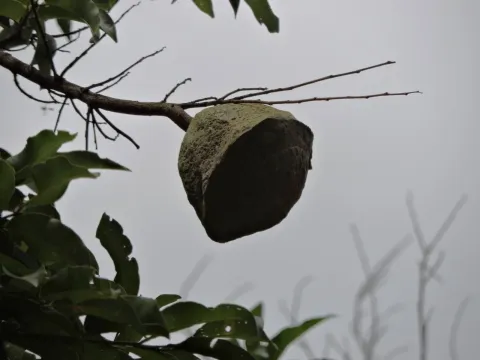
The harvest focuses on the mature seeds collected from woody capsules. These capsules typically dehisce, or open naturally at the bottom, which is a key biological feature that assists in seed dispersal and dictates the timing of harvest operations.
Yield capacity significantly increases as the tree ages. While some production may occur after the first decade, peak economic yield is typically observed in well-managed plantations between the age of 20 and 40 years.
The main threats to Lecythis plantations include fungal pathogens that thrive in high humidity and insects that attack the trunk or root system. Maintaining good air circulation within the plantation is the most effective preventative measure.
Pest management should focus on biological control agents to protect the population of wild bees, which are essential for the pollination of the flowers. Disrupting the pollinator cycle can lead to a drastic reduction in total annual yield.