
Lecythis minor
Lecythis minor
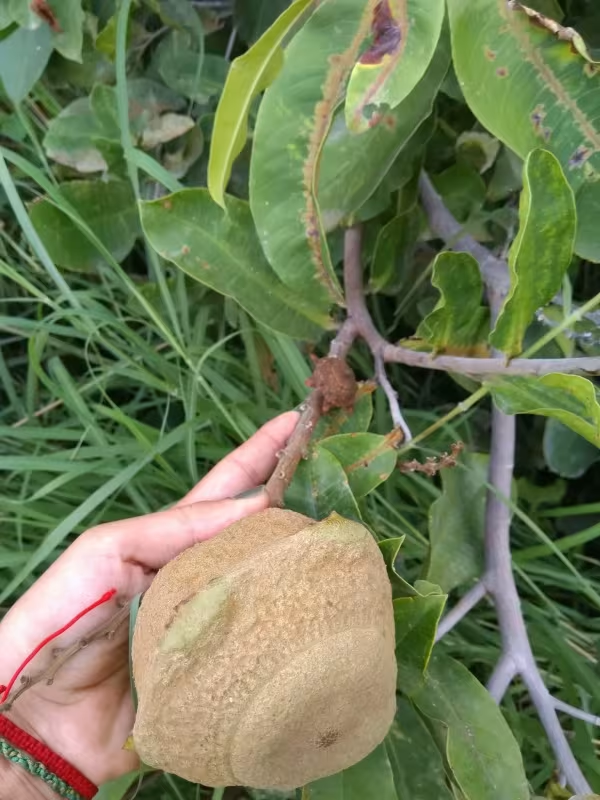
Description
Sowing dates
Lecythis minor, a member of the Lecythidaceae family, is propagated primarily through seeds in tropical agricultural settings to ensure genetic vigor.
Seeds are typically sown in specialized nurseries using a well-drained, nutrient-rich substrate, which helps maintain the optimal moisture levels for germination.
Transplanting seedlings to their final location is best performed at the onset of the rainy season to enhance root establishment and reduce heat stress.
Agricultural spacing is crucial, with trees requiring at least 8 to 10 meters of distance to allow for full canopy expansion and avoid resource competition.
During the early years, maintaining a weed-free zone around the base of the plant is vital to ensure that the seedling receives maximum nutrients and light.
Growing requirements
This crop thrives in tropical climates where temperatures remain consistently high throughout the year, as it does not tolerate cold stress or frost.
It prefers deep, fertile loamy soils with excellent drainage, as the species is highly sensitive to waterlogging, which can cause severe root damage.
Full sun exposure is necessary for healthy development, as shading negatively impacts both the vegetative growth and the subsequent reproductive success of the tree.
Although it requires sufficient rainfall, the physical structure of the soil must ensure that excessive moisture does not accumulate around the root collar.
Overall management should focus on preserving soil health and structure, while ensuring that the plant is protected from intense, direct, and desiccating winds.
Yield
The yield of Lecythis minor is progressive, with trees gradually increasing their fruit production as they reach full maturity after several years of growth.
Nut production is the primary economic driver for this crop, and the quality of the nuts depends heavily on the mineral content of the soil and water availability.
Regular fertilization with potassium and phosphorus during the fruit set phase is essential to maximize the filling of the nuts and overall harvest volume.
Harvesting efficiency relies on the tree's overall health, which is maintained through consistent pruning and monitoring of the plantation's biological cycle.
Stable, long-term yields are achievable when best practices are followed, ensuring the plantation remains productive for several decades.
Main diseases and pests
Lecythis minor is susceptible to a range of tropical pests that can target the foliage, flowers, and the developing woody fruit capsules throughout the season.
Fungal pathogens associated with high humidity are a significant risk, requiring proactive fungicidal applications to maintain plant health and integrity.
An integrated pest management (IPM) strategy is recommended, utilizing both biological controls and precise chemical interventions to minimize ecological impact.
Structural damage from rodents and other wildlife can weaken young trees, necessitating the use of protective netting or individual tree barriers.
Routine inspections are critical for identifying early signs of disease or pest infestation, allowing for quick action to prevent widespread loss in the orchard.
Harvesting
Harvesting Lecythis minor involves collecting mature fruits that have naturally fallen or reached peak maturity, often requiring manual labor for best results.
Great care must be taken to prevent bruising or damaging the outer shell, as this can lead to premature spoilage of the nut kernels stored inside.
Post-harvest processing includes cleaning the fruits and drying them in ventilated areas to remove residual moisture and prevent the development of mold.
Grading and sorting by size are important steps to ensure consistent quality standards for market distribution or further industrial processing of the nuts.
Proper storage in cool, dry conditions is essential for maintaining the quality and oil content of the kernels for an extended shelf life.