
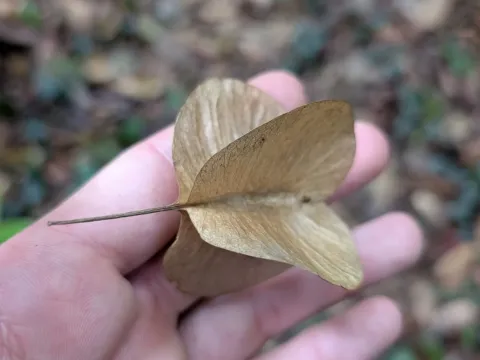
Petersianthus
Petersianthus
Petersianthus is a genus of tropical trees belonging to the Lecythidaceae family. These trees are native to tropical regions and thrive in high-humidity rainforest environments, where they are essential components of the ecosystem.
What the section contains

Petersianthus
To successfully cultivate Petersianthus, it is necessary to provide a stable, hot climate with consistent rainfall throughout the year. The species requires deep, fertile, and well-drained soils, as waterlogging can cause significant damage to the root system of these trees.
The tree exhibits high sensitivity to temperature fluctuations and needs protection from strong, cold winds. In its natural habitat, Petersianthus grows as an emergent tree, requiring high levels of solar radiation to sustain its rapid growth and development phases.
Agronomic practices for this culture emphasize the importance of high air humidity and consistent weed control during the early stages of plantation development. Utilizing mulch helps to maintain soil temperature and moisture levels, fostering a healthy environment for root establishment.
The primary commercial use of Petersianthus is the production of high-quality timber. The wood is valued for its durability and aesthetic properties, making it suitable for furniture manufacturing, high-end construction projects, and various artisanal woodcrafts.
The major threats to Petersianthus plantations include fungal infections that affect the root system, often triggered by soil compaction or poor drainage. Additionally, wood-boring insects present a significant risk, as they can tunnel into the trunks, compromising the structural integrity and value of the timber.