
Allantoma
Allantoma
Allantoma is a genus of tropical trees belonging to the Lecythidaceae family. These plants are native to the moist, tropical rainforests of South America, primarily within the Amazon basin.
What the section contains

Allantoma
The cultivation of this genus requires a stable, high-humidity environment with consistent tropical temperatures. These trees do not tolerate cold conditions and thrive best in regions with year-round rainfall.
Ideal soil conditions for Allantoma involve deep, well-drained, nutrient-rich substrates. They are typically found in areas with high organic matter, supporting the rapid development of their woody structures.
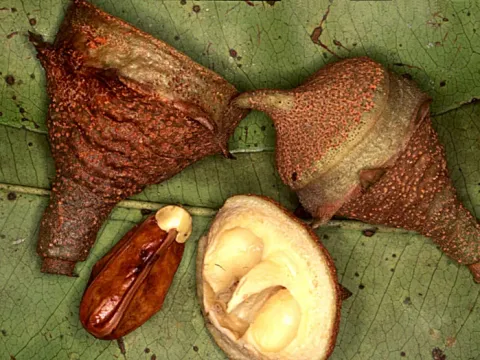
Botanically, these trees are recognized by their dense wood and distinct, woody fruits. The growth cycle is slow compared to agricultural crops, making them a focus for sustainable forestry rather than seasonal farming.
Economically, Allantoma is valued for its high-quality timber. It is harvested for local construction purposes and specialized woodworking, contributing to the bio-economy of the tropical regions.
The primary threat to the stability of Allantoma populations is deforestation and the fragmentation of their natural habitat. Insects, particularly wood-boring beetles, represent the most common biological threat.
Pathogenic fungi can also affect the health of the trees, especially when nursery seedlings are exposed to stagnant moisture or poor ventilation in confined growing conditions.