
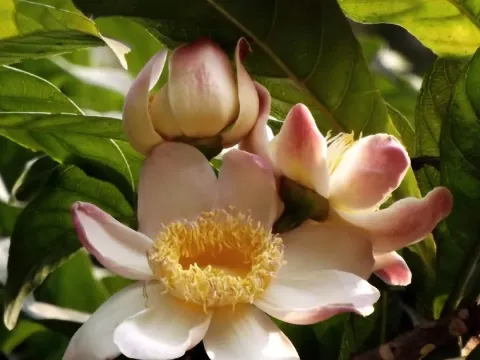
Gustavia
Gustavia
Gustavia belongs to the Lecythidaceae family and primarily propagates via seeds in its natural tropical habitat. Seeds should be sown immediately after harvest, as they have a short shelf life and are prone to desiccation if not handled properly.
What the section contains


Gustavia
The germination substrate must be rich in organic matter and possess excellent drainage properties. A warm, humid environment with temperatures between 25–30 degrees Celsius is essential for successful germination.
Seed containers should be placed in a location protected from direct sunlight to prevent overheating. Constant moisture levels must be maintained in the substrate until the seedlings emerge, which typically takes several weeks.
Vegetative propagation is achieved using semi-hardwood cuttings. Applying rooting hormones and utilizing misting systems can significantly increase the success rate of root development in nursery settings.
Transplanting the seedlings to their permanent location is best performed at the onset of the rainy season to allow the root system to establish effectively before any potential dry spell occurs.
This crop is strictly adapted to tropical climates and does not tolerate cold temperatures or frost. Sustained warmth is required throughout the year for healthy growth and development of the canopy.
Soil preferences include deep, fertile, and well-draining textures with a neutral to slightly acidic pH. Avoiding waterlogged soils is critical to preventing root rot, which is a major concern for this species.
While young Gustavia plants prefer partial shade, mature trees can tolerate full sun exposure provided that soil moisture is consistently maintained. Wind protection is also recommended to prevent mechanical damage to the large leaves.
Organic fertilization is beneficial for promoting vegetative vigor. Applications should be timed with the onset of active growth phases, ensuring the nutrient supply matches the tree's physiological needs.
Mulching the root zone is a highly recommended practice to conserve soil moisture, suppress weeds, and regulate soil temperature, creating a stable environment for the roots.
Gustavia is valued for its fruits, which contain edible seeds and pulp. The yield capacity depends on the specific species and the level of horticultural management applied within the orchard.
The fruits are globose and leathery, containing seeds that require specific preparation before consumption. In local systems, they serve as a nutritious food source, contributing to local food security.
The timber of certain Gustavia species is recognized for its durability and hardness, making it useful for local woodworking and small-scale construction projects, providing secondary economic utility.
The aesthetic value of the large, showy flowers contributes to the species' potential in landscape gardening and ornamental horticulture, creating additional revenue streams for plant nurseries.
Consistent production requires attention to the pollination environment. Protecting pollinator habitats nearby can enhance fruit set rates and improve overall harvest consistency across the farm.
Fungal pathogens represent the most significant threat, particularly in environments with high humidity and stagnant air. These diseases often manifest as leaf spots or stem decay if not managed through proper spacing.
Insect pests, such as aphids and scale insects, frequently target the succulent new growth of the plant. Monitoring and early intervention are essential to maintain plant health and vigor.
Root-knot nematodes can compromise the vigor of the tree, especially in sandy soils. Integrated pest management, focusing on soil health and using resistant nursery stock, is the best line of defense.
Overwatering can lead to physiological stress and root rot, creating an entry point for opportunistic infections. Maintaining a precise irrigation schedule is vital for the tree's immune system.
Sanitation practices, including the prompt removal of infected branches and tools sterilization, are necessary to prevent the spread of diseases within the orchard and ensure long-term sustainability.