
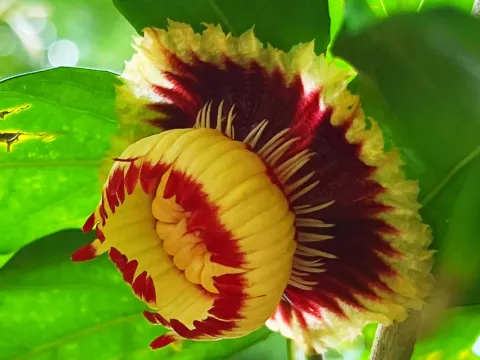
Napoleonaea
Napoleonaea
Napoleonaea is a genus of evergreen woody plants belonging to the family Lecythidaceae. These plants are native to the tropical forests of West and Central Africa, where they typically thrive in the understory of dense forest ecosystems.
What the section contains


Napoleonaea
The cultivation of this crop requires a tropical climate with high humidity and consistent temperatures throughout the year. It is highly sensitive to cold spells and requires protection from frost and cold winds to maintain its physiological functions.
Regarding soil requirements, Napoleonaea prefers rich, loamy, and well-drained substrates. Excessive water retention in the soil can be detrimental to the roots, leading to physiological disorders and plant decline.
In terms of light, the plant performs best in filtered light or partial shade. Direct exposure to intense tropical sun can stress the foliage and negatively impact the overall development of the tree.
Agricultural practices for this crop focus on soil moisture management and ensuring sufficient organic matter availability to support healthy growth and the production of its unique, complex flowers and fruit.
Mealybugs and aphids are the most common pests that affect the younger growth of the plant. Regular monitoring is essential to prevent these infestations from spreading to more mature tissues.
Root rot caused by fungal pathogens is a significant threat when drainage is inadequate. Managing irrigation cycles is the most effective way to prevent the buildup of fungi in the root zone.
Leaf spot diseases often occur due to prolonged exposure to excessively damp and stagnant air. Enhancing ventilation around the plants is a key agricultural strategy to mitigate this risk.
Spider mites can become a problem during dry periods, causing leaf discoloration and premature drop. Maintaining optimal air humidity helps to suppress the population of these pests naturally.
Nematode infestations in the soil can cause significant damage to the root system, hindering the uptake of water and nutrients. Pre-planting soil sterilization or the use of resistant rootstocks are recommended measures.