
Brazzeia
Brazzeia
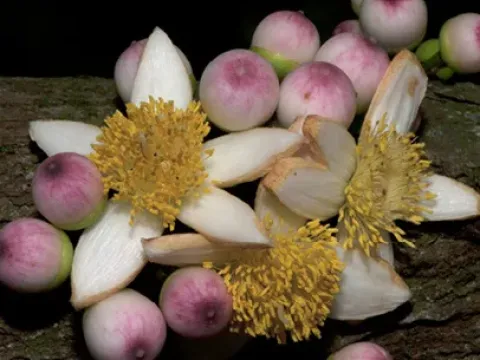
Brazzeia is a genus of tropical trees belonging to the Irvingiaceae family. These trees are indigenous to the dense rainforests of equatorial Africa, where they play a vital role in the ecosystem structure.
What the section contains
Brazzeia
The culture requires a tropical climate characterized by consistently high temperatures and significant rainfall throughout the year. It cannot tolerate any degree of frost or sudden cooling.
Successful growth necessitates deep, fertile, and well-drained soils. Ensuring proper aeration at the root zone is critical to prevent the development of root rot, which is a common issue in waterlogged conditions.
Brazzeia is shade-tolerant during its juvenile phase. However, as the tree matures, it benefits from exposure to filtered light to optimize its growth rates and overall health.
Agricultural management of this genus involves maintaining stable humidity levels and providing wind protection. Because of these specific requirements, cultivation is primarily focused on regions within the tropical belt.
The economic utility of Brazzeia primarily focuses on the exploitation of its seeds and timber. The seeds are valued for their oil content, which is used in traditional practices and specialized industries.
Harvesting is typically done manually once the fruits reach maturity. Care must be taken during the process to avoid damage to the tree branches, which can hinder future fruit production.
The timber obtained from Brazzeia is noted for its durability and structural integrity, making it useful for local woodworking and the construction of tools.
Post-harvest handling involves removing the pulp from the seeds, cleaning them thoroughly, and drying them in a controlled environment to ensure long-term stability of the product.
Sustainable harvesting techniques are recommended to maintain the viability of the trees, especially given the slow growth rates inherent to many species within this tropical genus.