
Lecythis ollaria
Lecythis ollaria
Description
Growing requirements
Lecythis ollaria, commonly known as the monkey pot tree, is a member of the Lecythidaceae family. It originates from the tropical rainforest regions of South America, including Brazil and Venezuela.
The tree thrives in environments with high humidity and consistent tropical temperatures. It requires a stable climate where frost or extended dry seasons do not occur, as the plant is highly sensitive to extreme meteorological shifts.
Optimal soil conditions include deep, nutrient-rich, and well-drained loamy soils. Drainage is particularly critical; the plant cannot tolerate waterlogging, which often leads to root rot in poorly managed sites.
Propagation is typically achieved through seeds, which must be sown in a humid environment. In commercial nursery settings, light shade is often provided to protect emerging seedlings from excessive heat and direct sunlight.
As the plant grows, it benefits from a consistent supply of organic matter. Proper spacing is essential to ensure adequate airflow and light penetration, which helps reduce the prevalence of moisture-loving pathogens.
Yield
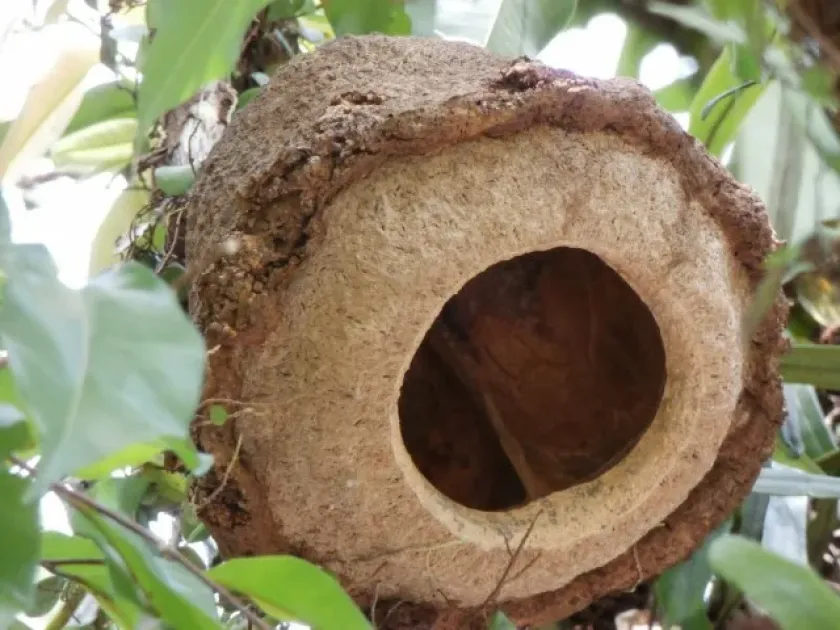
The tree is cultivated for its woody, pot-shaped fruits. These fruits contain edible seeds known as paradise nuts, which are rich in fats and proteins, making them a high-value agricultural product.
Beyond the nuts, Lecythis ollaria is prized for its high-quality timber. The wood is exceptionally hard and durable, often utilized in construction and the manufacturing of high-end furniture items.
The harvest process is unique, as the fruits have a natural lid that drops when mature. Farmers often collect these pods from the forest floor or harvest them directly when the fruit capsules reach full maturity.
Yield capacity tends to be cyclical, with mature trees producing substantial crops. However, the initial years after planting are slow, as the tree requires a significant period to establish its vegetative structure.
In addition to food and timber, traditional practices occasionally utilize extracts from the tree for pharmacological applications, reflecting its multifaceted value in tropical agriculture.
Main diseases and pests
Fungal pathogens represent the primary threat to plantation health, especially in areas with stagnant water or inadequate soil drainage. These infections can severely impact root development.
Insect pests, including wood-boring beetles and seed-feeding larvae, pose a continuous risk to the overall health of the tree and the quality of the harvested nuts.
Environmental challenges, such as the loss of native pollinators, can lead to reduced fertilization rates, ultimately impacting the consistency and volume of the annual fruit harvest.
Effective management requires integrated pest control strategies that avoid broad-spectrum pesticides to maintain the ecological balance of the plantation.
Regular monitoring and the implementation of strict sanitary protocols help mitigate these threats, ensuring the longevity and productivity of the trees within the ecosystem.