
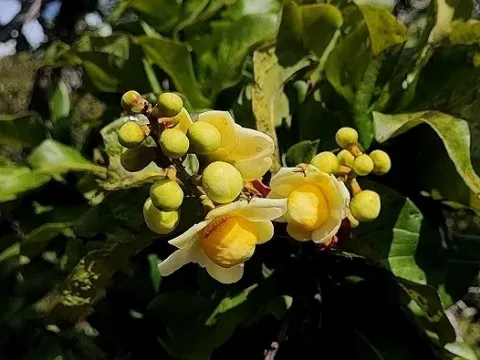
Eschweilera
Eschweilera
Eschweilera is a genus of large, evergreen trees belonging to the Lecythidaceae family. These trees are essential components of tropical rainforests in South and Central America, thriving in high-humidity environments.
What the section contains

Eschweilera
For successful cultivation, the climate must be consistently warm and humid, reflecting the tropical conditions of the tree's natural habitat. Eschweilera trees require significant annual rainfall and are sensitive to prolonged dry spells during their formative years.
Soil requirements are quite specific; they prefer deep, fertile, and well-drained soils rich in organic matter. Despite their love for moisture, waterlogged soils can lead to root rot, so proper drainage infrastructure is essential in plantation management.
In terms of agrotechnology, young seedlings benefit from partial shading, which protects them from excessive solar radiation until they establish a robust root system. Mature trees, however, require full exposure to sunlight to support a healthy and dense canopy.
The economic value of Eschweilera is primarily derived from its timber, which is known for its durability and resistance to natural degradation. It serves as an important resource in sustainable forestry and agroforestry systems.
The productivity of Eschweilera is measured by the annual volume increment of timber per hectare. Proper forest management practices are vital to maximize the yield and ensure the wood meets commercial quality standards.
Optimization of plantation density is a critical factor; overcrowding can lead to nutrient competition and stunted growth. Strategic thinning allows for healthier trees to reach technical maturity faster, increasing the economic return of the forest stand.
Growth rates vary significantly depending on the specific species of Eschweilera and the local soil conditions. Applying organic amendments can help maintain soil fertility over long-term cropping cycles, supporting sustained biomass production.
While wood is the primary output, the seeds and ecological services provided by the tree also contribute to its overall utility in agroforestry. Regular monitoring of tree health is necessary to ensure consistent growth rates across the plantation.
Sustainability is central to Eschweilera yield management; by employing selective harvesting techniques, practitioners can maintain a continuous supply of wood while preserving the ecological integrity of the site.
Eschweilera trees are vulnerable to various fungal pathogens that primarily attack the roots under suboptimal conditions. Excessive moisture and poor soil aeration are the most common triggers for these infections.
Wood-boring insects represent a significant threat, as they compromise the structural integrity of the trunks. Infestations can lead to severe timber damage, making early detection and intervention through integrated pest management essential.
Leaf-feeding insects can stress young trees, slowing down their development and increasing susceptibility to secondary pests. Regular scouting and biological controls are often used to manage these populations without disrupting the forest ecosystem.
Lianas and epiphytes can compete with the trees for resources and add significant weight to the branches, potentially leading to breakage during tropical storms. Periodic clearing of climbing vegetation is a standard maintenance practice.
Biosecurity measures, such as inspecting incoming seedlings and quarantine protocols, are fundamental to preventing the introduction and spread of diseases within Eschweilera groves.