
Lecythis zabucajo
Lecythis zabucajo
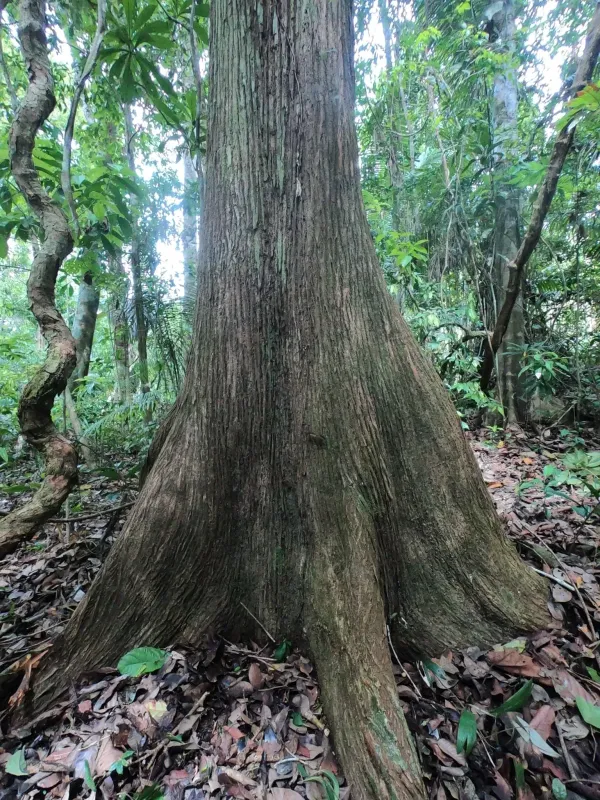
Description
Sowing dates
Lecythis zabucajo, commonly known as the sapucaia nut, is a species native to the Amazon rainforest. In agricultural practice, seeds must be sown immediately after collection, as their high oil content causes them to lose viability rapidly.
Sowing should be performed in deep, well-draining seedling bags filled with organic-rich media. It is essential to maintain high humidity and warm temperatures to ensure successful germination, which usually occurs within a few weeks.
Seedlings are delicate and require significant shade during their initial development stages. Direct exposure to intense sunlight must be avoided to prevent leaf scorch and ensure the healthy formation of the taproot system.
Transplanting to the permanent field site should occur once the plant reaches a height of approximately 50–70 cm. Spacing requirements are extensive, often requiring 10–12 meters between trees to accommodate the large, spreading canopy of mature specimens.
Given its slow growth rate, the culture requires long-term patience, as trees typically enter their productive phase only after a decade or more of careful management in the orchard.
Growing requirements
As a member of the Lecythidaceae family, this tree thrives in strictly tropical environments. It requires consistent temperatures ranging between 22 and 30 degrees Celsius, with no frost tolerance whatsoever.
The ideal soil profile is deep, fertile, and slightly acidic, with excellent drainage to prevent root asphyxiation. The tree cannot survive in waterlogged soils, making site selection on slopes or elevated terrain a priority.
Consistent rainfall or high-quality irrigation is necessary, particularly during the flowering and fruit-setting phases. The tree prefers high atmospheric humidity and is susceptible to stress during prolonged dry spells.
Adequate wind protection is vital, as the brittle branches can suffer damage in heavy storms. Mulching the root zone helps maintain soil moisture levels and contributes to the long-term fertility of the site through gradual organic matter decomposition.
Balanced fertilization, particularly with potassium and magnesium, supports robust growth and improves the tree's resilience against environmental fluctuations. Application should be synchronized with the onset of the rainy season.
Yield
The yield of Lecythis zabucajo consists of large, hard, woody capsules known as pyxidia. Each capsule contains several seeds that are considered a culinary delicacy due to their high nutritional value and pleasant flavor.
A single mature tree can produce a substantial harvest, but yields are highly dependent on the success of pollination. Protecting the native pollinator population is essential for maintaining consistent annual productivity.
Because the fruits mature at different rates throughout the canopy, harvest is often staggered. Farm management should prioritize regular monitoring to ensure that falling fruits are collected before damage occurs.
In intensive orchard conditions, yields can be improved through careful pruning and balanced nutrient management. Productivity per hectare remains an area of active study for agroforestry systems.
The market value of the nuts is high, reflecting the labor-intensive nature of harvesting and processing. Proper post-harvest handling is critical to maintaining the premium quality demanded by international gourmet markets.
Main diseases and pests
Pests represent the primary challenge in cultivating the sapucaia nut. Various wood-boring insects and leaf-eating caterpillars can significantly reduce tree vigor if not managed through an integrated pest management program.
Fungal infections, particularly root rot, can arise in stagnant water conditions. Promoting good airflow through the canopy by selective pruning is a standard method for reducing humidity-related disease risks.
Wild animals, including rodents and monkeys, pose a significant threat as they consume the fruits on the forest or orchard floor. Fencing and mechanical deterrents are often necessary to protect the harvest.
Mineral deficiencies, specifically iron or zinc, can result in leaf chlorosis, which hinders the tree's photosynthetic capability and lowers overall health. Foliar testing is recommended for orchard health monitoring.
Epiphytic plants, if left unchecked, can grow to sizes that add excessive weight to branches or compete for nutrients. Regular canopy maintenance helps mitigate these biological threats.
Harvesting
Harvesting is primarily a process of collecting fallen capsules from the ground once they have fully matured and the operculum (the lid) has opened naturally.
Manual collection must be done frequently, especially during the peak harvest season, to avoid losses from ground-based predators and moisture damage from the soil surface.
Once gathered, the woody capsules must be carefully cracked to extract the kernels. This stage is labor-intensive and often requires specialized tools to avoid breaking the delicate nuts inside.
The extracted kernels should be cleaned and dried in a controlled, shaded environment to reduce moisture content for better storage. Proper drying prevents the development of rancidity and fungal spoilage.
Efficient supply chain management, from the orchard floor to the consumer, involves careful sorting by quality and size to ensure that only the finest nuts reach the market.