
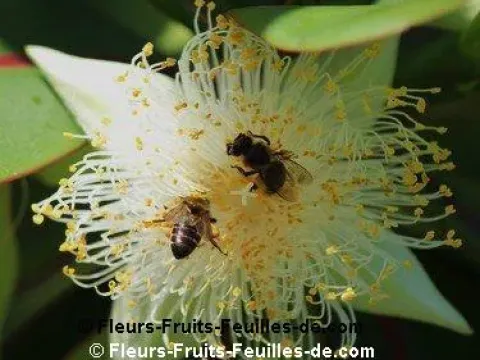
Foetidia
Foetidia
Foetidia is a genus of evergreen trees and shrubs belonging to the Lecythidaceae family. Native primarily to Madagascar and the Mascarene Islands, these plants are highly adapted to humid tropical environments where temperatures remain stable throughout the year.
What the section contains

Foetidia
The cultivation of Foetidia requires a strictly controlled climate. They are intolerant of frost and require consistent warmth, making them suitable for tropical outdoor environments or climate-controlled greenhouses in other regions. Temperature fluctuations should be kept to a minimum.
Soil requirements involve well-drained, nutrient-rich substrates with a slightly acidic to neutral pH. Proper drainage is the most critical factor, as these plants are highly susceptible to root rot if the soil remains waterlogged for extended periods.
Botanically, Foetidia is recognized by its dense, leathery foliage and robust trunk. The plant relies on high light intensity to thrive, though young specimens often benefit from dappled sunlight to prevent leaf scorch during the hottest parts of the day.
Agricultural management includes a balanced irrigation schedule. It is essential to allow the top layer of the soil to dry slightly before the next watering to maintain root health and prevent the proliferation of moisture-loving soil pathogens.
In terms of usage, Foetidia is primarily cultivated for ornamental purposes in botanical gardens and specialized collections. Its unique architectural form makes it a desirable subject for tropical landscape architecture and interior biophilic design in large public spaces.
Seed collection and propagation are specialized tasks. The fruits must reach full maturity before harvesting, and seeds often require specific temperature protocols and germination substrates to successfully overcome dormancy and sprout effectively.
Maintenance includes periodic pruning to shape the canopy and remove any dead or diseased wood. This practice not only improves the aesthetic appeal of the tree but also ensures adequate airflow through the branches, which is crucial for preventing fungal outbreaks.
Fertilization should be applied during the peak growing season to support foliage development. A balanced, slow-release fertilizer is recommended to ensure a steady supply of nutrients without causing rapid, weak growth that may be vulnerable to pests.
Ongoing monitoring for signs of stress is essential. Changes in leaf color or premature leaf drop often indicate problems with soil moisture or nutrient imbalance, allowing for timely adjustments in the plant's care regimen.