
Lecythis lurida
Lecythis lurida
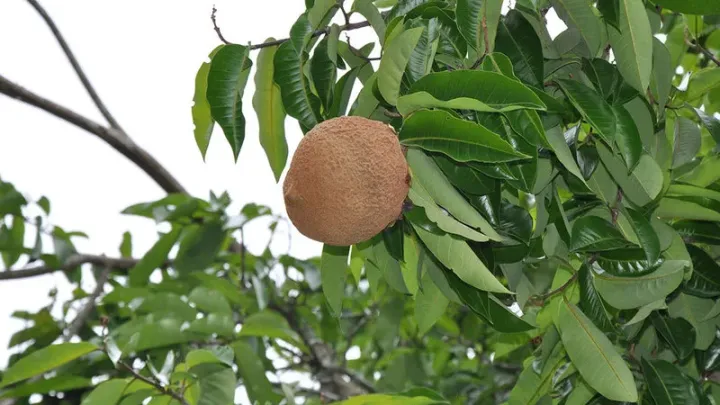
Description
Growing requirements
Lecythis lurida is a notable species within the Lecythidaceae family, native to the tropical forests of Brazil. This tree is highly adapted to humid environments, requiring stable, warm temperatures and consistent rainfall throughout the year to thrive.
The soil requirements for this crop are quite specific, favoring deep, nutrient-rich soils with excellent drainage. Excessive water accumulation in the root zone can be detrimental to tree health, making site selection a critical factor for successful cultivation in tropical climates.
Botanically, the tree is distinguished by its robust structure and unique fruit morphology. The fruit, often described as a woody capsule, contains seeds that are highly valued for their nutritional content, which typically includes a significant percentage of oils and proteins.
In terms of economic utility, Lecythis lurida is utilized both for its edible seeds and its durable timber. The wood is prized for its density and resistance to environmental wear, contributing to its status as a valuable resource in regional forestry and traditional manufacturing.
Agricultural management of this crop involves maintaining optimal spacing to ensure sufficient sunlight penetration into the forest canopy. Given its sensitivity to cold, the range of cultivation is strictly limited to tropical regions, where year-round warmth is guaranteed.
Main diseases and pests
The primary threats to Lecythis lurida include various wood-boring insects and foliage-feeding pests common in tropical ecosystems. Integrated pest management strategies are often difficult to implement on a large scale due to the height and distribution of the trees.
Fungal diseases affecting the bark and root systems pose a significant risk, especially in regions with prolonged rainy seasons. Managing tree vigor through proper nutritional support is essential for mitigating the impact of these environmental stressors.