
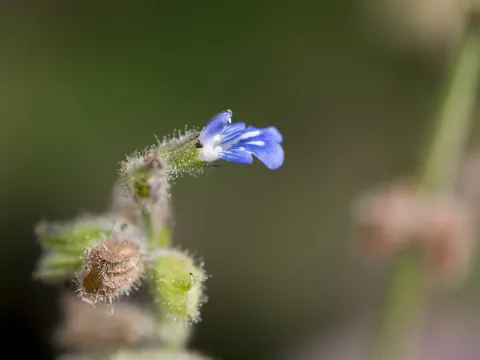
West Indian sage
Salvia occidentalis
West Indian sage (Salvia occidentalis) is a herbaceous plant belonging to the Lamiaceae family. Sowing is typically performed in spring when soil temperatures reach stable levels suitable for germination.
What the section contains
West Indian sage
Seeds are sown at a shallow depth of 1–2 centimeters, as they require sufficient surface light to stimulate the germination process effectively.
Field production is usually organized in rows with spacing of 45 to 60 centimeters, allowing for machine cultivation and proper airflow between plants.
Regular irrigation is essential during the establishment phase, ensuring the soil remains moist but not waterlogged, which is crucial for early growth.
For regions with shorter growing seasons, starting the plants in greenhouses or nurseries provides a significant advantage for reaching maturity.
This crop thrives in well-drained, fertile soils with a neutral pH, and it performs best in full sun exposure for optimal biomass development.
Temperature requirements are moderate, with the plant favoring ranges between 20°C and 28°C for vigorous development of its vegetative parts.
Adequate soil aeration is critical; therefore, regular inter-row cultivation is necessary to prevent compaction and ensure root respiration.
While the species is relatively hardy, it does not tolerate waterlogging, which often leads to root rot if soil drainage is insufficient.
Fertilization regimes should prioritize balanced nitrogen and potassium levels to support both foliage development and the essential oil content.
Root rot is the most common threat when the plant is grown in poorly drained soils or subjected to excessive moisture for prolonged periods.
Fungal diseases like powdery mildew can appear under high humidity conditions, necessitating improved ventilation within the canopy.
Spider mites and aphids represent the primary insect threats, particularly in arid climates or during hot, dry spells when the plants are stressed.
Integrated Pest Management (IPM) practices, such as crop rotation and the use of botanical insecticides, are recommended to maintain plant health.
Monitoring the fields for early signs of infection or infestation is essential for timely intervention and protection of the harvestable crop volume.