
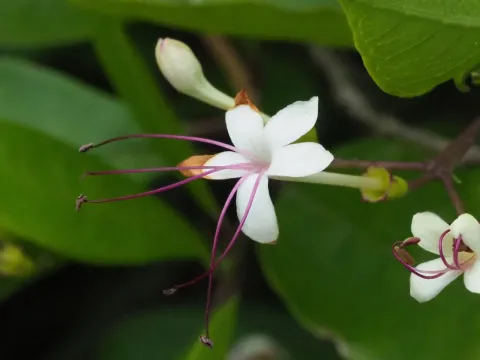
Volkameria
Volkameria
Volkameria is a genus of evergreen shrubs and small trees within the Verbenaceae family. These plants are scientifically recognized for their botanical affinity with Clerodendrum species, often displaying glossy foliage and fragrant flower clusters that provide significant ornamental value in tropical gardens.
What the section contains

Volkameria
Originating from the coastal and tropical regions of Africa, Asia, and the Pacific Islands, these plants require specific environmental conditions to thrive. Due to their native habitat, they are strictly non-frost hardy and must be cultivated in warm, stable climates where temperatures remain consistently above 15 degrees Celsius.
The cultivation requirements for Volkameria focus on providing high-quality, well-draining soil with an organic matter content that retains moisture without becoming waterlogged. A mixture of peat-based substrate and perlite is often recommended to maintain the necessary porosity for healthy root development.
Sunlight exposure is a critical factor for the vigor of the plant; Volkameria prefers bright, indirect light. Excessive direct sunlight can scorch the leaves, while insufficient light leads to sparse branching and a reduction in the number of blooms during the flowering cycle.
In terms of agricultural and horticultural utilization, Volkameria is highly valued for container gardening and indoor landscaping. Its ability to adapt to controlled environments makes it a popular choice for conservatories and botanical exhibits, where it contributes to the aesthetic diversity of the collection.
Spider mites are prevalent in indoor settings where humidity levels fluctuate. These pests cause yellowing and necrosis of the leaves; regular misting and maintaining adequate humidity are key cultural practices to prevent infestation and keep the plant healthy.
Mealybugs are a recurring issue, manifesting as white cottony masses on the undersides of leaves and at the stem nodes. Early detection is vital for successful control, and insecticidal soaps or horticultural oils can be effectively used to manage localized populations of these insects.
Whiteflies can quickly become a nuisance in greenhouse environments, causing foliage discoloration and promoting the growth of sooty mold due to their excretion of honeydew. Consistent monitoring and the use of sticky yellow traps are recommended to mitigate the spread of these pests.
Root rot is often the result of poor drainage or overwatering practices, which create anaerobic conditions in the soil. This disease can be fatal to the plant if not addressed; immediate repotting into fresh soil and a significant reduction in watering are necessary recovery steps.
Leaf spot diseases, caused by fungal pathogens, thrive in stagnant and damp air. To prevent these infections, it is essential to ensure proper ventilation around the plant canopy and to avoid getting water on the foliage during irrigation, as this creates a favorable environment for fungal spores.