
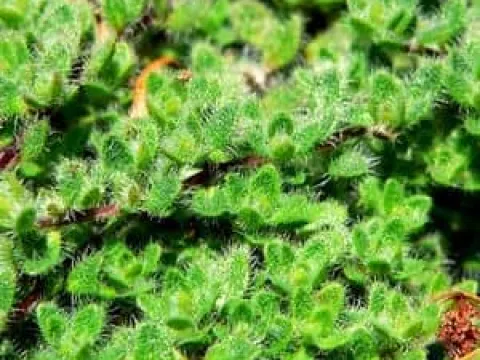
Thymus sibthorpii
Thymus sibthorpii
Sowing Thymus sibthorpii typically occurs in early spring once soil temperatures reach a consistent 10–12 degrees Celsius. Given the tiny size of the seeds, they should be sown on the surface or lightly pressed into the soil to ensure optimal light exposure for germination.
What the section contains
Thymus sibthorpii
For commercial production, a greenhouse nursery approach is preferred, starting seeds 6–8 weeks before the last frost date. This ensures strong seedlings capable of establishing a robust root system before transplanting.
Spacing is a critical factor for plantation management, with recommended row widths of 45–60 cm to allow for mechanical weeding and air circulation. Proper plant spacing is essential to reduce the risk of pathogen accumulation.
Fall sowing is feasible only in regions with mild winters, provided the plants have enough time to establish before the ground freezes. In colder zones, spring planting is strictly advised to prevent high winter-kill rates.
Seed germination energy can be improved by pre-treating seeds with a brief cold stratification period. This practice mimics the natural environmental cues the seeds require for successful emergence.
As a member of the Lamiaceae family, Thymus sibthorpii is a sun-loving plant that demands full sunlight for maximum essential oil production. Even partial shade can lead to leggy, less fragrant growth, reducing the quality of the harvested material.
The plant thrives in well-drained, sandy or rocky soils with a neutral to slightly alkaline pH. Drainage is the most important factor; waterlogged soil causes root rot and quickly leads to plant failure.
Although drought-tolerant once established, supplemental irrigation during the spring vegetative growth phase and the budding stage significantly boosts biomass yields. Watering should be deep but infrequent to encourage deep root penetration.
Soil fertility management should focus on phosphorus and potassium to enhance plant secondary metabolism. Excessive nitrogen leads to rank growth that is more susceptible to pests and diseases, and lower oil content.
Thymus sibthorpii is adapted to cooler, mountainous climates, meaning it possesses high winter hardiness. However, it requires good wind protection to prevent foliage desiccation during dry, cold winter winds.
Root rot, primarily caused by Phytophthora species or poor drainage, is the most common threat. Mitigation involves strictly monitoring soil moisture levels and ensuring the planting site is elevated or properly sloped.
Fungal foliar diseases like powdery mildew and rust may occur in humid or poorly ventilated conditions. Management strategies emphasize keeping the plant canopy dry and providing adequate airflow between rows.
Pests such as aphids and leaf-eating beetles can cause localized damage to soft new growth. Using integrated pest management (IPM) practices, such as encouraging beneficial predatory insects, is effective for maintaining plantation health.
Nematodes can affect the root zone in warmer, sandy soils. Proper crop rotation cycles, avoiding other Lamiaceae members in the sequence, are crucial for long-term soil health management.
Regular inspection of the plantations, especially during the humid spring months, is necessary for early detection of any health issues. Swift intervention using approved organic pesticides can prevent large-scale outbreaks.
Harvesting is ideally performed at the onset of mass flowering, which is the period of peak essential oil accumulation. Using sharp blades to cut the foliage 5–10 cm above the soil surface preserves the plant's ability to regrow for future harvests.
Post-harvest processing requires rapid movement of the fresh material to a drying facility. Drying must occur in a dark, well-ventilated area with temperatures kept below 40 degrees Celsius to prevent the loss of volatile compounds.
Once dried, the foliage is threshed to separate the valuable leaves and flowers from the woody stems. This material is then screened for purity and packaged in light-proof, airtight containers for shipment or storage.
Storage conditions must remain cool and dry to prevent the degradation of essential oils. Proper packaging is essential for extending the shelf life of the herb to 18–24 months without significant quality loss.
Quality control during harvest involves regular testing of essential oil profiles to ensure the final product meets industry standards for aromatic and medicinal composition.