
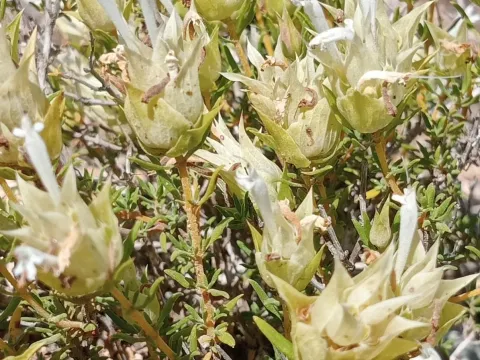
Thymus membranaceus
Thymus membranaceus
Cultivation of Thymus membranaceus is typically initiated through seed propagation or seedling production in controlled environments. Given the small size of the seeds, they require a shallow sowing depth and sufficient light for germination, which should be managed in greenhouses during early spring.
What the section contains
Thymus membranaceus
Seedlings are transplanted to the open field once the risk of frost has passed and soil temperatures have warmed up sufficiently. Adequate spacing is crucial for this species, as it allows for proper airflow and helps prevent the development of root diseases.
Direct seeding in the field requires a well-prepared, fine-textured seedbed. Due to the slow growth rate of young plants, weed control during the establishment phase is of paramount importance for the survival and development of the crop.
Planting density is adjusted based on the intended harvesting method, with rows usually spaced between 45 and 60 centimeters apart. This configuration optimizes light penetration and facilitates mechanical access for maintenance and eventual harvest.
The use of light, porous substrates during the nursery phase ensures healthy root development before transplanting. Ensuring the seedlings are hardened off gradually prepares them for the intense environmental conditions they will face in the field.
Thymus membranaceus is a member of the Lamiaceae family, native to the arid and rocky mountainous regions of Spain. It thrives in full sunlight, which is necessary for the optimal synthesis of the essential oils that give the plant its characteristic aroma.
The species has very specific soil requirements, demanding well-draining, calcareous, or sandy soils. It is highly intolerant of waterlogged conditions, which lead to root rot and quickly destroy the plantation if not managed properly.
Climatic requirements focus on dry, hot summers and mild winters. While it is hardy, the plant struggles in environments with high ambient humidity or excessive rainfall during the growing season, which can reduce its medicinal and culinary potency.
Agricultural management involves routine mechanical weeding and soil aeration. Minimal fertilization is recommended, as high levels of nitrogen encourage vegetative growth at the expense of oil quality and overall plant hardiness.
For sustainable production, maintaining a weed-free environment is critical, often achieved through the use of mineral mulch like gravel. This practice also helps in mimicking the natural stony habitat of the species, reducing evaporation and improving plant vitality.
The yield of Thymus membranaceus is determined by the biomass production and the concentration of volatile compounds in the aerial parts. Yields tend to increase as the plant matures, peaking in the third to fourth year of cultivation.
In optimal conditions, the crop can provide a reliable harvest of dried plant material per hectare. The quality is measured by the essential oil profile, which is highly sought after by the cosmetic and pharmaceutical industries for its unique properties.
Harvesting is typically done during the full bloom phase when the concentration of secondary metabolites is at its highest. Mechanical harvesting techniques must be precise to avoid damaging the woody stems, which are not part of the commercial product.
Post-harvest processing is essential to maintain the product's value. Rapid drying at controlled, low temperatures is necessary to prevent the loss of volatile aromatic compounds that are sensitive to excessive heat and light.
Yield stability is dependent on the management of soil drainage and the prevention of moisture-related diseases. By maintaining a healthy, balanced plant population, farmers can ensure long-term profitability and high-quality output for industrial processing.
The primary threats to Thymus membranaceus are fungal pathogens, specifically those causing root and crown rot. These issues are almost exclusively associated with poor drainage and excessive moisture in the root zone, particularly during early growth stages.
Pests such as aphids and spider mites can occasionally affect the plants during periods of prolonged drought or stress. Monitoring and using biological control methods or environmentally friendly insecticides is essential to maintain plant health without chemical residues.
Powdery mildew can become a concern in environments where plant density is too high, leading to poor air circulation and high humidity levels. Pruning and selective thinning are effective measures to improve air quality within the plantation.
Weed infestation is a constant challenge, as competitive species can easily overtake the slow-growing thyme. Implementing a strict weed management program, including mechanical cultivation or mulching, is necessary for maintaining optimal growth rates.
To preserve the longevity of the crop, diseased plants should be removed and destroyed as soon as symptoms appear. Maintaining proper spacing and avoiding overhead irrigation systems significantly reduces the risk of widespread fungal infections.
Harvesting for Thymus membranaceus is timed precisely with the peak flowering stage. This is the moment when the inflorescences are fully developed, ensuring the highest content of essential oils and other active botanical ingredients.
The harvest involves cutting the succulent upper parts of the stems, leaving sufficient length for the plant to recover and regenerate for subsequent seasons. This sustainable harvesting practice is vital for the longevity of the perennial crop.
During the harvest, it is important to avoid contaminants such as soil particles or other botanical debris, which can compromise the quality of the essential oils. The use of specialized equipment helps in achieving a clean cut and efficient collection.
Once harvested, the plant material must be transported immediately to the processing facility. Avoiding bulk heating in transport containers is crucial, as even brief periods of high temperature can degrade the aromatic quality of the herb.
The final step in the harvest sequence is the sorting and cleaning of the dried material to remove any undesirable woody parts. The final product should be stored in cool, dark conditions to maintain its aromatic integrity and commercial marketability.