
Tinnea
Tinnea
Tinnea is a genus belonging to the Lamiaceae family, primarily native to tropical regions of Africa. These plants are known for their distinct morphology and are sometimes cultivated for their unique botanical characteristics.
What the section contains

Tinnea
The plant requires a warm, frost-free climate to thrive. It is highly sensitive to cold, making it suitable for tropical garden settings or greenhouse cultivation in cooler regions.
Soil requirements include excellent drainage and moderate fertility. A well-aerated sandy loam substrate is ideal, as waterlogged conditions quickly lead to root rot and other physiological stressors.
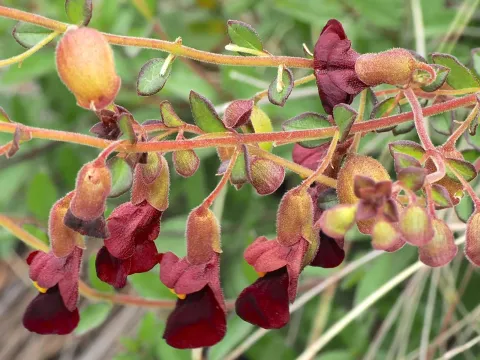
Botanically, Tinnea exhibits the classic traits of the mint family, including opposite leaves and characteristic zygomorphic flowers which are often dark-pigmented and structurally complex.
Care practices for Tinnea involve regular light fertilization during the growth phase and precise irrigation management to keep the soil moist but never saturated.
The most common threats to Tinnea include fungal infections such as root rot, which typically occur due to overwatering or poor drainage systems in the soil.
Insect pests including aphids and spider mites are frequent invaders, especially when the plant is kept in low-humidity indoor environments where natural predators are absent.
Preventative measures should focus on maintaining adequate air circulation around the foliage to minimize the incidence of powdery mildew and leaf spots.
Mealybugs can also pose a significant problem, often hiding in the crevices of stems and leaves, making them difficult to eradicate without systemic treatments.
Integrated pest management, including regular visual inspections and early intervention with horticultural soaps or oils, is essential to keep Tinnea healthy.