
Torrey's mountain mint
Pycnanthemum torreyi
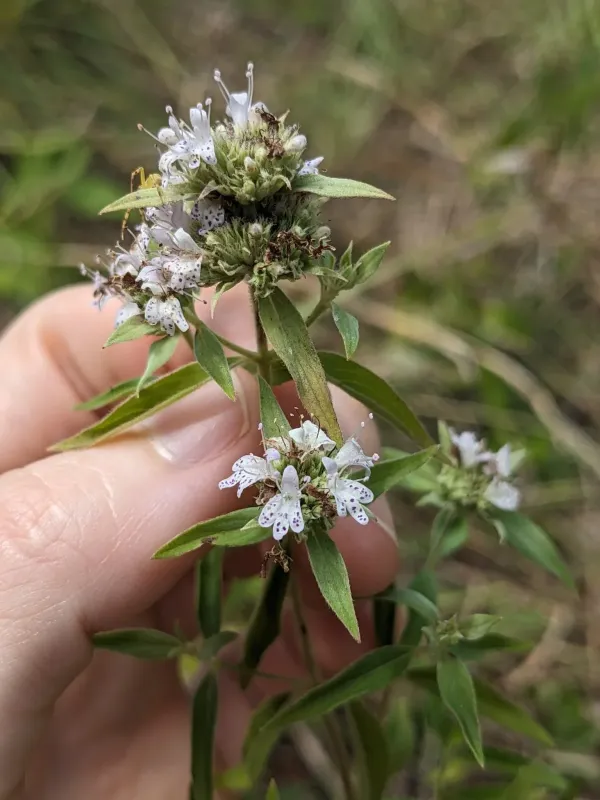
Description
Sowing dates
Sowing Torrey's mountain mint is best achieved in early spring, as soon as the soil temperatures reach at least 10 degrees Celsius. While direct seeding is possible, starting seeds in a controlled greenhouse environment significantly improves initial survival rates and vigor.
When sowing, cover the seeds with a very thin layer of soil, no more than 0.5 to 1 cm deep, as light is beneficial for germination. Maintain consistent moisture levels in the seedbed for approximately 14 to 21 days until the seedlings emerge.
Spacing should be maintained at 40-60 cm apart to ensure adequate airflow between mature plants. This spacing helps manage humidity levels and reduces the likelihood of fungal outbreaks, which are the primary concern for this crop.
Cold stratification is highly recommended for seeds. Placing them in a moist, cold environment (between 3 and 5 degrees Celsius) for about three weeks prior to planting will break dormancy and lead to more uniform germination across the field.
For nursery production, transplanting occurs when plants develop 3-4 sets of true leaves. Ensure the root ball remains intact during the move to minimize transplant shock and encourage rapid establishment in the permanent planting site.
Growing requirements
Torrey's mountain mint (Pycnanthemum torreyi) is a member of the Lamiaceae family, native to the diverse habitats of North America. It is a hardy herbaceous perennial known for its resilience once established in appropriate growing conditions.
The crop thrives in sunny locations with well-drained, fertile soil. While it prefers neutral to slightly acidic conditions, it is surprisingly adaptable, provided that the planting site does not suffer from water stagnation or heavy, compacted clay.
Watering requirements are moderate. During the establishment phase, consistent soil moisture is crucial, but as the deep root system develops, the plant becomes remarkably drought-tolerant. Increased watering during the flowering phase is advisable to maximize leaf oil production.
This species performs best in temperatures ranging from 18 to 25 degrees Celsius. It can tolerate short periods of frost, but in areas with particularly harsh winters, covering the base with a protective layer of organic mulch is beneficial for plant longevity.
Maintenance involves routine weeding and light mechanical cultivation of the spaces between rows. Because the plant spreads via rhizomes, it is an efficient competitor once established, reducing the need for intensive long-term weed control.
Main diseases and pests
Fungal issues such as powdery mildew are the most common threats to Pycnanthemum torreyi. These occur primarily in high-humidity environments with poor ventilation, underscoring the importance of proper plant spacing and airflow.
Root rot represents a significant danger if the soil drainage is inadequate. Prevention centers on site selection and managing irrigation to avoid saturated soil conditions, which quickly debilitate the plant's vascular health.
Pests like aphids and spider mites can occasionally colonize young growth. Implementing Integrated Pest Management (IPM) strategies, such as encouraging beneficial insects or applying mild organic soap sprays, is typically sufficient to mitigate these problems.
Nematode infestation in the root zone can hinder growth and reduce overall vigor. Maintaining proper crop rotation, avoiding planting in locations recently occupied by other Lamiaceae members, is a vital prophylactic measure against soil-borne pests.
Gastropods such as slugs can damage seedlings in the early spring. Setting up simple physical barriers or using non-toxic slug bait around the perimeter of the field can successfully protect the young plants until they become robust.
Harvesting
Harvesting for essential oils and dried leaf production should commence as soon as the first flowers begin to open. This stage corresponds to the highest concentration of volatile oils in the plant's tissues, ensuring a potent final product.
Using sharp, sterilized shears, cut the top 15-20 cm of the stems. Leave enough foliage on the base of the plant to support photosynthesis and potential regrowth, as this allows for multiple cuttings per season in favorable climates.
Drying must occur immediately after harvest to preserve the chemical profile. Place the stems in a cool, dark, and well-ventilated area, avoiding direct sunlight which can cause discoloration and the loss of essential aromatic compounds.
Proper storage is essential; once fully dried and stripped from the stems, store the leaves in airtight containers made of glass or metal. Keep these containers in a cool, dark location to maintain freshness for up to two years.
Seed harvesting should be performed when the flower heads turn deep brown and feel brittle. Harvesting should be timely to prevent natural shattering and seed loss, which keeps the production area clean and easier to manage in the coming year.