
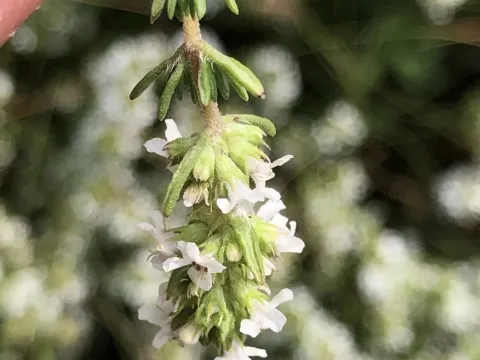
Thymus zygis
Thymus zygis
Thymus zygis is a perennial aromatic plant belonging to the Lamiaceae family. It is recognized as a small, shrubby plant with narrow, often revolute leaves that contribute to its distinctive appearance and high essential oil content.
What the section contains
Thymus zygis
In agricultural settings, sowing is typically conducted in the spring once soil temperatures reach 12–15 degrees Celsius. Due to the extremely small size of the seeds, they require surface sowing or very shallow placement to ensure successful germination.
For industrial production, starting seeds in greenhouses followed by transplanting seedlings is a common practice to achieve better uniformity. The initial growth phase is slow, making weed control crucial during the first few weeks after planting.
A density of approximately 100,000 to 150,000 plants per hectare is generally recommended to provide sufficient space for optimal biomass development. Proper spacing ensures that the plants cover the soil quickly, which suppresses unwanted vegetation naturally.
The plant demonstrates excellent regenerative properties, allowing commercial fields to remain productive for 4 to 6 years if managed correctly with routine pruning and soil maintenance.
Thymus zygis is native to Mediterranean environments, thriving in sunny, arid conditions. It requires full sun exposure throughout the day to maximize the synthesis of essential oils, which are vital for its commercial value.
While the plant is highly drought-tolerant, it requires consistent moisture during the active vegetative stage. However, it is highly sensitive to waterlogging, as poorly drained soil can quickly lead to root rot and plant mortality.
Ideal soil types for this culture are light, sandy, or loamy textures with a neutral to slightly alkaline pH. Clay-heavy soils should be amended with organic matter or grit to improve aeration and water drainage before planting.
Fertilization should prioritize potassium and phosphorus to enhance cold hardiness and oil production. Excessive nitrogen application should be avoided, as it encourages weak, succulent growth that is susceptible to frost damage and fungal diseases.
Sheltered sites with good airflow are preferred to prevent the accumulation of humidity, which can be detrimental to the plant's health, particularly in transition seasons.
Fungal pathogens such as root rot and powdery mildew represent the primary biological threats to Thymus zygis. These issues are almost always correlated with inadequate drainage or high humidity levels around the foliage.
Common agricultural pests affecting the crop include spider mites and aphids. These insects sap the vitality of the plant, leading to stunted growth and lower yields of essential oil, which can impact the profitability of the harvest.
Preventative strategies are centered on strict crop rotation and the selection of disease-free planting material. Avoiding monoculture on the same plot for more than five years is a standard practice to reduce soil-borne pathogen pressure.
Biological control agents and integrated pest management are highly recommended for large-scale operations. Chemical intervention must be handled with care, strictly following the required pre-harvest intervals to ensure product safety.
Regular monitoring of field plots allows for early intervention, such as the selective removal of diseased clusters, which prevents localized outbreaks from spreading across the entire plantation.
The harvest phase occurs during the peak of the flowering period, which is when the concentration of essential oil in the leaves and floral stems is at its maximum. This typically aligns with the warmest, sunniest weeks of the season.
Mechanical or manual harvesting is performed at a height of 5–10 centimeters above the soil surface. This specific cut encourages the plant to resprout rapidly, ensuring a healthy regrowth for subsequent harvesting cycles.
Post-harvest management is critical; biomass must be moved to drying facilities immediately to avoid fermentation, which degrades the quality of the essential oil. Controlled drying at temperatures below 40 degrees Celsius preserves the volatile aromatic compounds.
The harvested product serves several industries, including food flavoring, cosmetics, and pharmaceuticals. It is highly valued for its antibacterial properties and distinct culinary aroma, which remains consistent after proper processing.
Final processing involves threshing to separate the valuable foliage from the woody stems. The resulting herbal product is then screened for impurities and packaged according to market specifications.