
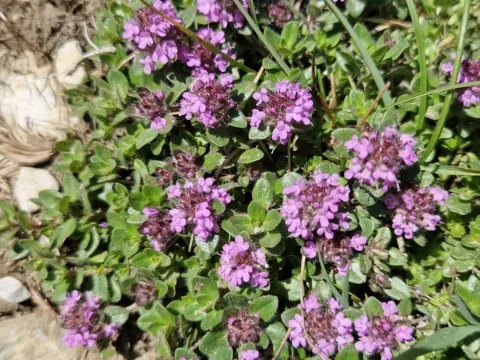
Thymus pulcherrimus
Thymus pulcherrimus
Thymus pulcherrimus is a perennial herb belonging to the Lamiaceae family. Native to the alpine and subalpine zones of the Carpathian Mountains, this species is highly valued for its adaptation to high-altitude, rocky, and nutrient-poor environments.
What the section contains
Thymus pulcherrimus
The plant grows as a small, woody-based shrublet. Its morphology includes dense, evergreen or semi-evergreen leaves that are often densely covered with trichomes, an evolutionary trait that minimizes water loss in harsh, windy conditions.
When cultivated, Thymus pulcherrimus requires full sun exposure. Any degree of shade will lead to etiolated growth, reduced vigor, and a significant decrease in the accumulation of secondary metabolites, such as essential oils.
The soil must be extremely well-draining. A substrate composed of sandy loam mixed with grit or small stones is ideal. The species is intolerant of moisture retention around its crown, which quickly causes root rot and sudden plant death.
Climatic requirements are specific: the plant demands cool summers and cold winters. While it is hardy in temperatures well below freezing, it requires protection from excessive autumn rains, which can trigger fungal outbreaks if the humidity remains high.
The most common threats to Thymus pulcherrimus are fungal pathogens associated with waterlogged conditions. These include root rot (Phytophthora spp.) and leaf spot diseases, which can rapidly spread through dense, poorly ventilated plantings.
Pests that frequently target this herb include aphids and spider mites. These insects feed on sap, causing chlorosis, stunted growth, and a reduction in the plant's overall chemical profile, which is critical for its medicinal and commercial value.
Integrated Pest Management (IPM) for this crop focuses heavily on cultural controls. This includes maintaining wide spacing between rows to facilitate airflow and ensuring the planting site is elevated or sloped to promote natural water runoff.
In cases of severe infestation or disease, manual removal of affected biomass is the primary intervention. Chemical pesticides should be used with extreme caution, as the plant is frequently harvested for therapeutic essential oils.
To maintain plant health, it is essential to monitor soil pH, as this species prefers slightly alkaline conditions. Periodic fertilization with low-nitrogen, mineral-based nutrients can support plant health without inducing soft, succulent growth that is attractive to pests.