
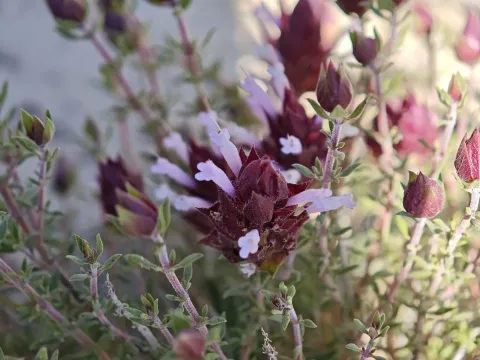
Thymus moroderi
Thymus moroderi
The cultivation of Thymus moroderi typically begins with seeding in the early spring, ensuring the soil has warmed up sufficiently for germination.
What the section contains
Thymus moroderi
Seeds are placed in a light, well-draining seedbed, as they are very small and require minimal soil coverage to sprout effectively.
Indoor seed trays are often preferred for controlled environments, allowing for a consistent temperature of about 20 degrees Celsius to be maintained.
Transplanting should occur once the seedlings have established a robust root system and several sets of true leaves, usually after 6 to 8 weeks.
Spacing is a critical factor, with plants requiring adequate air circulation to prevent moisture buildup around the base of the stems.
Thymus moroderi is a member of the Lamiaceae family and thrives in conditions mimicking its native Mediterranean limestone habitats.
The plant requires full sun exposure for at least 6 to 8 hours daily to stimulate essential oil production and compact growth.
Well-drained, alkaline soils are non-negotiable; sandy or stony soil compositions are ideal for ensuring the roots do not sit in excess water.
This species is highly drought-tolerant, requiring irrigation only during the establishment phase or extreme, prolonged periods of heat.
Fertilization should be kept to an absolute minimum, as excess nitrogen can lead to rapid, weak growth and reduced aromatic quality.
Root rot is the most significant threat to Thymus moroderi, usually resulting from over-irrigation or poorly draining soil conditions.
Powdery mildew can manifest during periods of high humidity or insufficient airflow, necessitating immediate thinning of the plant canopy.
Pests such as spider mites may target the leaves during peak heat, causing discoloration and a reduction in the overall vitality of the crop.
Aphid infestations on tender new shoots are common in spring and should be monitored to prevent the spread of viral secondary infections.
Cultural control, such as weeding and proper spacing, remains the most effective strategy for managing pests without the need for synthetic chemicals.
Harvesting is best conducted during the height of the flowering season, as the plant's essential oil concentration is highest during this stage.
Using sharp shears, gather the aerial parts, ensuring that a significant portion of the base remains to allow for regrowth in subsequent seasons.
Drying must occur in a dark, shaded environment with constant airflow to preserve the delicate aromatic compounds within the plant tissues.
Avoid heat-based drying methods, as these can strip the plant of its unique scent profile and medicinal properties developed in the field.
Once dried, the herbs should be packaged in airtight containers to maintain freshness and prevent moisture-induced spoilage during storage.