
Thymus nervosus
Thymus nervosus
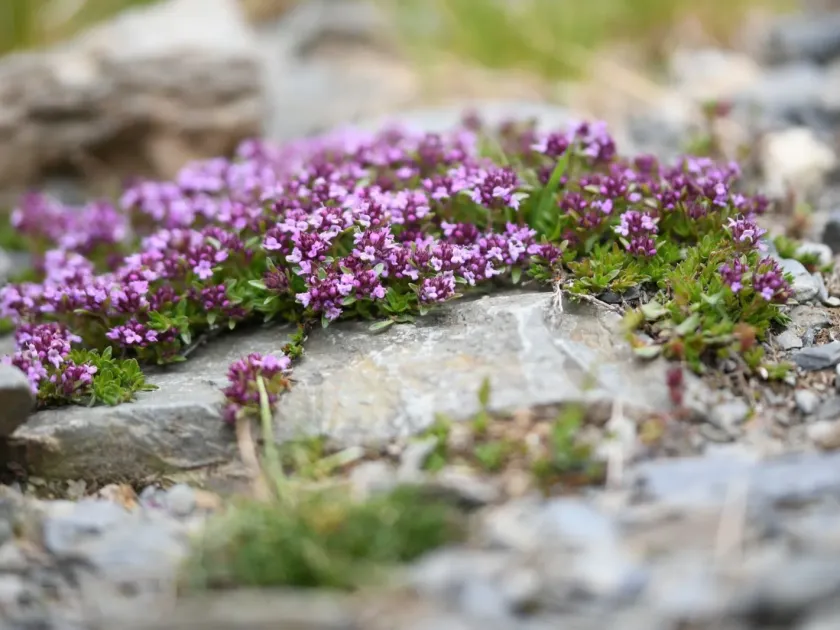
Description
Growing requirements
Thymus nervosus is a perennial subshrub belonging to the Lamiaceae family. It is distinct for its robust, nerved leaves and creeping habit, which allows it to thrive in high-altitude environments and nutrient-poor, rocky soil conditions common to its native mountainous habitat.
The plant is highly resilient, adapted to thrive in harsh climates with significant temperature fluctuations. For commercial cultivation, it requires excellent drainage and a soil profile that mimics its natural environment, preferably with a slightly alkaline pH to ensure optimal growth and health.
Strategic placement is crucial for the success of this crop. Thymus nervosus requires full solar exposure to maximize the synthesis of essential oils, such as thymol and carvacrol, which are the primary active compounds that dictate its commercial market value.
Agricultural management should prioritize minimal irrigation once the plants are established. Overwatering is the most common mistake in thyme production, as it leads to root asphyxiation and the development of pathogenic fungi, which can devastate a stand within a single season.
The economic utility of this species covers several sectors. It is primarily valued in the essential oil industry for its potent antimicrobial properties, while also being utilized as a high-quality pharmaceutical herb and a functional additive in modern food processing.
Main diseases and pests
Root rot is the most critical threat to Thymus nervosus crops, typically caused by poor soil drainage or excessive irrigation. Implementing a strict irrigation schedule and planting on raised beds are effective preventive measures against fungal degradation of the root system.
In terms of insect pressure, spider mites and certain lepidopteran larvae may impact foliage quality during dry summer months. Maintaining healthy soil aeration and practicing proper crop rotation are the primary methods for managing these threats without relying on intensive chemical intervention.