
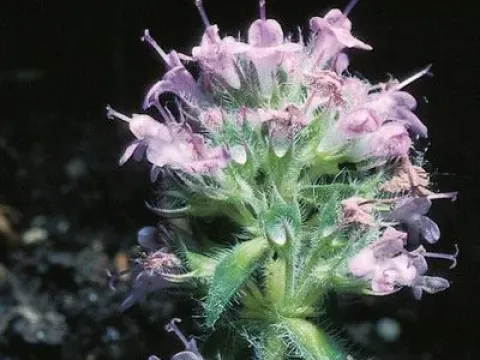
Innsbruck thyme
Thymus oenipontanus
The sowing of Innsbruck thyme is ideally performed in early spring once soil temperatures reach 10-12 degrees Celsius. Alternatively, late autumn sowing can be used to benefit from natural stratification, promoting better germination in the following season.
What the section contains
Innsbruck thyme
For greenhouse or nursery production, seeds are sown in trays approximately 6-8 weeks before the final frost date. This method provides young seedlings with a strong foundation before transplanting into the open field.
Row spacing should be maintained at 30-45 centimeters to ensure adequate airflow and space for plant maturity. This spacing also facilitates mechanical weeding and harvesting operations during the season.
Due to the small size of the seeds, they should be covered with only a thin layer of soil, approximately 0.5-1 centimeter deep. A light compression of the soil surface ensures optimal contact for germination.
Constant moisture must be maintained in the topsoil layer during the initial germination phase. Once established, the plants become more drought-tolerant, but early care remains critical for crop uniformity.
Innsbruck thyme is a member of the Lamiaceae family and is recognized as a hardy perennial subshrub. It thrives in full sun, which is necessary to maximize the concentration of essential oils in its foliage.
The crop prefers light, well-draining soils such as sandy or loamy textures. It is intolerant of waterlogged soil conditions, which can quickly lead to root rot and loss of the planting stand.
The species is highly frost-resistant, having originated from mountainous European regions. It can withstand significant temperature drops during winter, provided that soil moisture is not excessive.
It prefers neutral to slightly alkaline soil pH levels. Soil testing prior to planting is recommended, and liming can be applied to acidic soils to improve the crop's development.
Regular cultivation of the inter-row areas is required to control weeds, especially during the early stages of establishment. Once the plants mature, they often form a dense canopy that helps suppress weed competition.
The total yield of Innsbruck thyme depends on planting density and crop management. On average, a healthy plantation can provide high volumes of green matter over a productive lifespan of four to five years.
Productivity is highest during the second and third years of the plant's life. After five years, yields typically decline as plants undergo heavy lignification, requiring a planned replanting cycle.
Timing the harvest to coincide with the peak flowering period is essential for quality control. During this phase, the concentration of active plant compounds is at its highest, benefiting commercial value.
Yield management requires careful post-harvest handling. Immediate drying at controlled temperatures below 40 degrees Celsius is necessary to prevent the loss of volatile aromatic oils.
Using certified, high-yield varieties is a key strategy for commercial producers. Proper site selection and soil preparation significantly impact the final output of the harvest per hectare.
The primary threats to thyme production are fungal pathogens, specifically those causing root rot. These thrive in environments with poor drainage and high soil moisture levels.
Pests like aphids and certain species of moths can cause damage to tender foliage. Integrated pest management strategies, emphasizing biological controls, are preferred to maintain the product's organic purity.
Preventative measures include ensuring proper plant spacing to improve air circulation. Reducing humidity within the plant canopy is an effective way to minimize the risk of fungal outbreaks.
Sanitation practices, such as the removal of diseased or dead plant tissue, are essential for limiting the spread of pathogens throughout the field.
Crop rotation protocols, ensuring a gap of several years before replanting thyme on the same site, are fundamental to breaking the life cycle of soil-borne diseases.
Harvesting is traditionally timed with the beginning of the full bloom phase. This window ensures the highest quality of raw material for medicinal and culinary applications.
The plants are mowed at a height of 10-15 centimeters, ensuring that the woody base remains intact. This promotes healthy regrowth and longevity of the plant for multiple harvests.
In regions with long, warm growing seasons, two harvests may be achieved per year. The first harvest usually occurs in June, with the second following in late summer after the plants have recuperated.
Once harvested, the material should be processed immediately. Drying in shaded, well-ventilated areas preserves the herb's natural color and intensity of scent, preventing degradation from UV exposure.
Post-harvest storage requires airtight packaging or climate-controlled warehouses to keep the dried product away from moisture, maintaining its quality and shelf life for the market.