
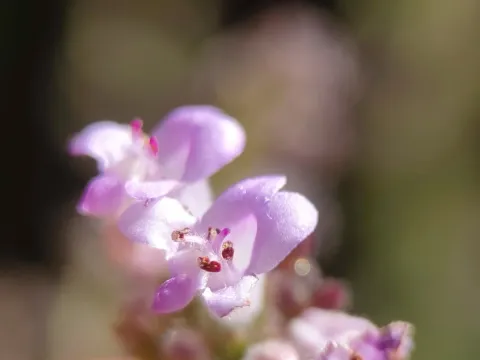
Hyptis urticoides
Hyptis urticoides
Hyptis urticoides is a notable herbaceous plant belonging to the Lamiaceae family. Known for its distinct urticoid (nettle-like) foliage, it serves as an interesting subject for botanical study and potential industrial use, particularly regarding its aromatic compounds found in the leaves.
What the section contains
Hyptis urticoides
The plant originates from the tropical areas of the Americas, thriving in regions that offer consistent warmth and moderate moisture levels. It has adapted to a wide range of habitats, from exposed grasslands to the periphery of tropical forests, demonstrating a high level of resilience.
For successful agricultural production, Hyptis urticoides requires well-drained, fertile soil with a slightly acidic to neutral pH. Proper soil preparation, including organic matter incorporation, is essential to ensure healthy root development and efficient nutrient uptake during the growing season.
Environmental conditions are crucial; the plant prefers a tropical climate with temperatures typically ranging between 20°C and 30°C. It is intolerant to frost, necessitating protected cultivation or seasonal management in temperate climates where temperatures may drop below freezing.
Agricultural management should focus on maintaining consistent soil moisture without waterlogging. Regular pruning of the stems can encourage branching and increase the harvestable biomass, which is beneficial for maximizing the yield of foliage or active ingredients.
The main threats to the health of Hyptis urticoides are fungal infections, particularly those triggered by high humidity levels or poor drainage, such as downy mildew and various root rots. Improving air circulation between plants is a critical preventive measure.
Pest management is equally important, as aphids and spider mites frequently target the succulent leaves of the plant. Monitoring and early intervention with soaps or biological control agents are the preferred methods for protecting the crop throughout the vegetative stage.