
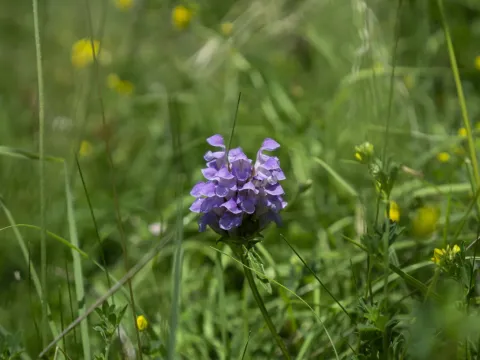
Intermediate self-heal
Prunella intermedia
Prunella intermedia (intermediate self-heal) is a herbaceous perennial member of the Lamiaceae family, known for its natural hybrid origin and significant botanical interest in sustainable agriculture.
What the section contains
Intermediate self-heal
Propagation is typically achieved through seeds or division of mature root clumps, with spring being the ideal time for sowing once the soil temperature has reached a consistent level above 10 degrees Celsius.
Seeds are small and require a shallow planting depth of approximately 0.5 centimeters, allowing for adequate light exposure which acts as a trigger for successful and uniform germination.
For large-scale cultivation, drilling in rows with 30-centimeter spacing is recommended to optimize plant density and ensure enough room for the development of robust flowering stems.
Consistent moisture levels are essential during the germination phase, which usually lasts two to three weeks depending on the soil conditions and the presence of prior stratification.
The plant thrives in fertile, well-draining loamy soils with a pH ranging from 6.0 to 7.5, reflecting its preference for slightly acidic to neutral environments found in meadow ecosystems.
It exhibits high adaptability to varied light conditions, growing vigorously in full sun while maintaining good productivity in partial shade, making it a versatile choice for diversified farming.
Water requirements are moderate but steady; regular irrigation during the peak growing season prevents premature wilting and supports the formation of high-quality medicinal biomass.
Nutrient management involves applying balanced NPK fertilizers in early spring to stimulate vegetative growth, followed by a lighter application of potassium-rich compost to encourage flowering.
The species is remarkably winter-hardy and can withstand significant frost, which facilitates its cultivation across various temperate climate zones without the need for additional protective measures.
As a medicinal herb, the yield of intermediate self-heal is calculated based on the total dried biomass of stems, leaves, and inflorescences harvested at the peak of the plant's metabolic activity.
Under optimal management practices, the plant can produce multiple cuts per season, significantly increasing total annual yield and economic return for small-scale medicinal herb producers.
The concentration of bioactive compounds, such as phenolic acids and flavonoids, is the primary indicator of harvest quality, necessitating careful attention to the timing of the collection.
Sustainable harvesting methods ensure the longevity of the perennial roots, allowing the crop to remain productive for several years before needing rejuvenation or replanting to maintain purity.
Secondary uses as a melliferous plant further enhance the value of the crop, providing excellent forage for honey bees during the summer months when nectar sources may be limited.
Common phytosanitary threats include powdery mildew and root rot, which are often exacerbated by poor air circulation in dense stands or stagnant soil moisture following heavy rainfall.
Insects like aphids and spider mites may target the tender foliage, particularly during dry spells, which requires constant monitoring and integrated pest management to keep damage thresholds low.
Prevention involves maintaining proper plant spacing and ensuring the soil has excellent drainage, which significantly reduces the pressure from moisture-loving soil-borne pathogens.
Biological control agents are preferred in the production of herbal materials to ensure compliance with strict organic standards and to protect beneficial pollinator populations in the field.
Timely weeding is crucial not only for resource competition but also to prevent the buildup of potential disease vectors that often persist on wild, related weed species found in agricultural fields.
Harvesting is performed when the plants are in full bloom, ensuring the highest concentration of therapeutic compounds is captured before the plant directs its energy into seed production.
Mechanical harvesting equipment or manual scythes should be used to ensure a clean cut, ideally leaving about 10 centimeters of stem above the ground to promote rapid vegetative regrowth.
Post-harvest handling requires immediate transfer to a shaded, well-ventilated drying area to prevent fermentation, which can lead to color degradation and loss of volatile active ingredients.
Drying temperatures must be strictly regulated to remain below 45 degrees Celsius, as excessive heat can cause the enzymatic breakdown of beneficial compounds and reduce overall shelf life.
Storage in airtight, moisture-resistant containers stored in cool, dark environments ensures that the harvested material maintains its chemical potency and quality until it reaches the end user.