
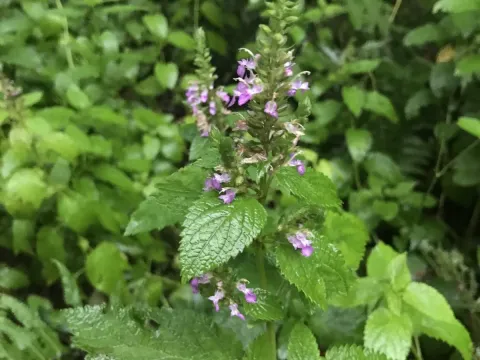
Japanese germander
Teucrium japonicum
Japanese germander can be propagated through seeds or vegetative division. Seeds should be sown in the spring once the soil temperature is consistently warm, typically around 15 degrees Celsius.
What the section contains
Japanese germander
For better results, starting seeds in seedling trays indoors about 6-8 weeks before the last expected frost is highly recommended to ensure strong, well-developed plants.
Sow seeds shallowly, covering them with a very thin layer of fine soil or vermiculite, as they require sufficient light and moisture to germinate properly within a few weeks.
Transplanting should occur when the danger of frost has completely passed. Spacing is crucial; keep plants about 30 to 40 centimeters apart to allow for airflow and optimal growth.
Vegetative division is best performed in the early spring or autumn. By dividing established rootstocks, farmers can quickly propagate high-quality, uniform plant stock for their fields.
Teucrium japonicum belongs to the Lamiaceae family and is native to East Asia. It typically thrives in moist meadow habitats, though it is adaptable to various garden conditions.
The plant demands a sunny location with high light intensity to maximize its essential oil production. Shade should be avoided as it leads to leggy growth and lower quality biomass.
Soil requirements include a well-draining, nutrient-rich structure. While the plant likes moisture, it is sensitive to waterlogged conditions, which can quickly lead to root rot.
A neutral to slightly acidic pH is ideal for this species. Regular watering during the peak growing season is necessary, especially during dry spells, to maintain steady development.
Although somewhat hardy, the plant benefits from a layer of organic mulch in colder climates to protect the root system during winter and conserve soil moisture in the summer.
The primary threats to Japanese germander are fungal diseases like powdery mildew, which thrive in overcrowded, poorly ventilated conditions with high humidity levels.
Insect pests including aphids and spider mites are common. These pests feed on the tender shoots and leaves, which can stunt overall plant vigor and reduce the yield of the herb.
Root rot is a major risk on heavy clay soils. Ensuring proper drainage through soil amendment or raised beds is essential for preventing these types of soil-borne complications.
Maintaining a clean field by removing debris and weeds helps minimize the risk of pest outbreaks and prevents competition for vital nutrients during the growing period.
Integrated pest management, focusing on biological controls and proper site selection, is the preferred method for maintaining crop health without compromising the herb's quality.
Harvesting should be timed to coincide with the plant's full bloom stage. At this developmental peak, the concentration of active medicinal compounds is highest within the leaves and flowers.
Use clean, sharp shears to harvest the aerial parts, cutting the stems approximately 10 centimeters above the ground to encourage regeneration and secondary growth for the next season.
Drying must occur immediately after harvest to prevent decomposition or mold growth. Spread the stems in a thin, single layer on drying racks in a cool, dark, and well-ventilated area.
Avoid direct heat or sunlight during the drying process, as this can degrade the volatile oils that give the plant its characteristic aroma and biological properties.
Properly dried herbs should be stored in opaque, airtight containers or breathable fabric bags kept in a cool, dry place to maintain their integrity and potency for up to two years.