


Reference · Crops
Hyssop
Hyssopus
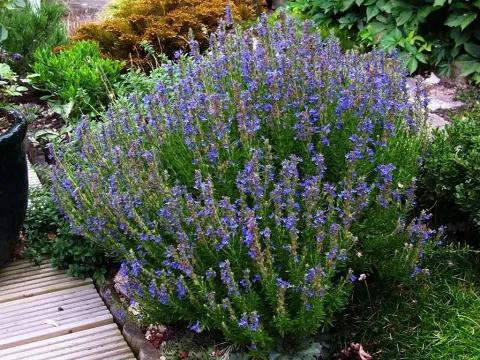
Hyssop (Hyssopus) is a perennial subshrub belonging to the Lamiaceae family. Seeds are typically sown in early spring once the soil temperature consistently reaches 5-8 degrees Celsius.
1
items
What the section contains
Marketplace
Products in this section · 12


Hyssop
Autumn sowing is also an option, as the seeds benefit from natural winter stratification. Seeds should be planted at a depth of 0.5-1 cm, with rows spaced 45-60 cm apart to ensure proper development.
For the greenhouse method, seeds are sown in March. Seedlings are transplanted into the field when they reach the 5-6 true leaf stage, ensuring that the risk of frost has passed.
Successful germination requires consistent soil moisture and good seed-to-soil contact. Seedlings typically emerge within 12-18 days, during which time it is crucial to keep the plot free from weed competition.
The standard seeding rate is approximately 0.5-0.8 grams per square meter. Uniform distribution of seeds is essential for obtaining a productive and consistent stand across the entire field.
This crop thrives in open, sunny locations, as exposure to light is critical for the concentration of essential oils. Hyssop is highly drought-tolerant and performs poorly in waterlogged or heavy soils.
The ideal soil type is a light loam or sandy loam with a neutral to slightly alkaline pH. On acidic soils, growth is significantly stunted, making prior liming a necessary step for soil preparation.
Hyssop is hardy and survives most temperate winters with ease. However, in regions with harsh, snowless winters, some dieback of the above-ground woody stems may occur.
The plant benefits from the addition of organic matter like compost or manure during soil preparation. Moderate phosphate and potassium fertilization during the growing season aids in winter hardening and plant vigor.
Soil aeration is a vital factor for health, as hyssop is sensitive to root suffocation in compacted soils. Maintaining a healthy soil structure is key to longevity in perennial cultivation.
Commercial yields of hyssop green mass depend on management practices and stand age. On average, a hectare of mature hyssop can yield 5-10 tons of fresh harvest per growing season.
Peak productivity is achieved in the third and fourth years of growth. After five years, the plant base often becomes overly woody, requiring the plantation to be replanted for optimal production.
Essential oil yields typically range from 0.5% to 1.5% of the dry weight. Quality and oil composition are heavily dependent on the plant growth stage at the time of harvest and climatic conditions.
Strategic pruning encourages bushiness and allows for multiple harvests per year. Care must be taken to stop pruning by late summer to allow the plants to store sufficient energy for winter dormancy.
Integrated weed management and moderate nutrient supplementation can increase output by 20-30%. Efficient water management, despite its drought tolerance, ensures the plant reaches its full potential.
The most common issues for hyssop are fungal diseases, particularly root rot, which are often exacerbated by poor drainage and high humidity. These infections can quickly destroy established plants.
Pests like aphids may occasionally infest young succulent shoots. In dense, poorly ventilated plantings, fungal rust can also develop, leading to leaf discoloration and reduced raw material quality.
Preventative measures are essential, starting with a strict 5-year crop rotation schedule. Proper spacing between plants is critical to ensuring air circulation and reducing fungal infection risks.
Chemical controls are generally avoided due to the plant's use in the food and medical sectors. Farmers rely on biological control methods and proper sanitation to keep the plantation healthy.
Effective weed control is necessary not only for resource competition but also because weeds can serve as vectors or reservoirs for pests and fungal pathogens that affect hyssop.
Harvesting should take place at the peak of full flowering. This is the period when the concentration of essential oils is at its highest, ensuring the best quality for medicinal or culinary use.
Stems are cut approximately 10-15 cm above the soil surface. This height is essential to prevent injury to the root crown, ensuring the plant can regenerate for future seasons.
Drying must occur in a well-ventilated, shaded environment. High-temperature drying or direct sunlight exposure should be avoided, as these factors cause the rapid loss of volatile aromatic compounds.
After drying, the material is threshed to separate the valuable leaves and flowers from the woody stems. The finished product should be stored in airtight containers away from light and moisture.
A well-planned harvest strategy ensures both high-quality yields and the long-term sustainability of the hyssop crop, maintaining the vigor of the plants for years of continued production.